Sour-spicy flavors are booming globally. Thai style hot and sour soup leads with bold herbs. But Guizhou sour soup — a fermented tomato base — is rising fast in Guizhou hot pot and industrial food processing for its clean, stable, scalable profile.
1. Acidity Source: Fresh vs Fermented
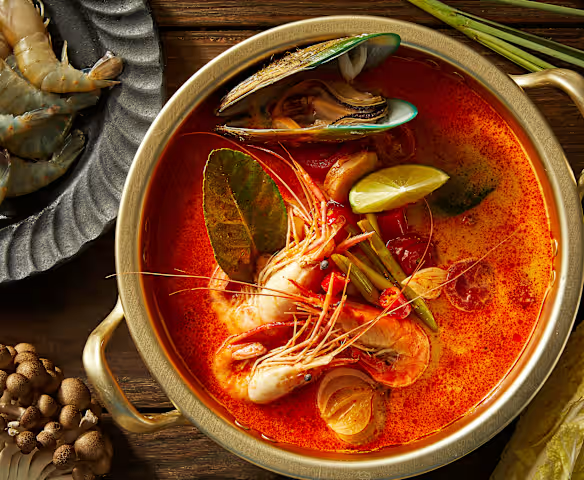
Thai style hot and sour soup: Lime juice + tamarind = sharp, tropical sour. Relies on fresh herbs (lemongrass, galangal).
Guizhou sour soup: Lactic fermentation of tomatoes + chilies = mild, round, layered sour. No added acids. Bio-generated flavor.
2. Flavor & Pairing Flexibility
Thai style: Herb-dominant. Best with shrimp, chicken. Fixed Southeast Asian profile.
Guizhou sour soup: Neutral aroma. Pairs with fish, beef, tofu, mushrooms. Ideal for Guizhou hot pot and fusion. See fusion in SEA hot pot applications.
3. Industrial Stability
Thai style: Fresh prep only. Loses aroma in heat/freeze. High sodium/fat needed.
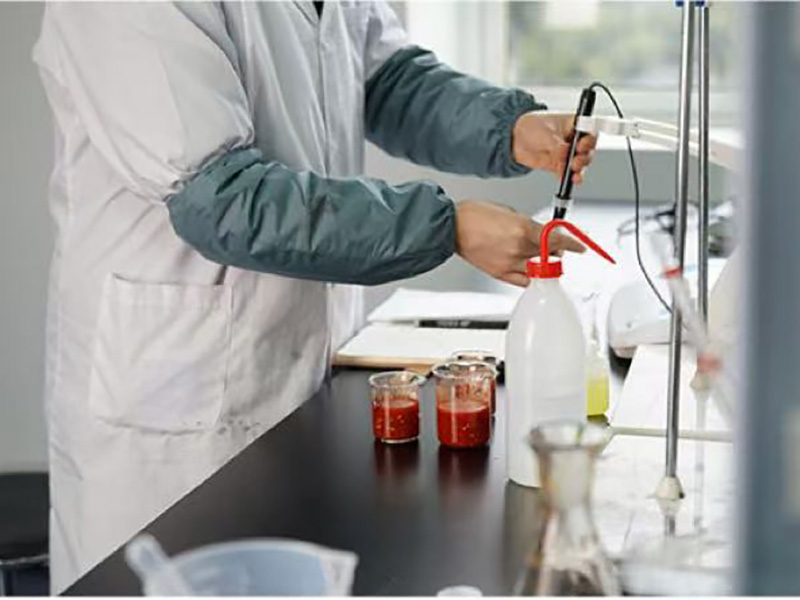
Guizhou sour soup: pH 3.8–4.2. Heat-stable. Freeze-thaw safe. Low fat/sodium. Perfect for hot pot base scaling. Learn more in packaged soup processing.
4. Broader Applications
Guizhou sour soup powers:
- Guizhou hot pot: Sour fish, tomato-sour fusion
- Ready meals: Sour soup beef, mushroom stew
- Light meals: Konjac/tofu hot and sour cups
- Frozen: Microwave rice noodles
- Sauces: Acid component in fusion cuisine
5. Health & Clean Label Edge
Fermented. Tomato-based. No artificial acids.
Supports:
- Low fat
- Low sodium
- Plant-based
- Digestive health claims
A cleaner alternative to Thai style hot and sour soup for global markets.
Contact Lvyin Food for B2B sour soup samples, pH data, and OEM Guizhou hot pot solutions. Get Started →
Email: food@lvyinfood.com | WhatsApp (on site)
Sour Soup in SEA Fusion Hot Pot |
Packaged & Frozen Soup Applications |
3-Min Quick Hot and Sour Soup