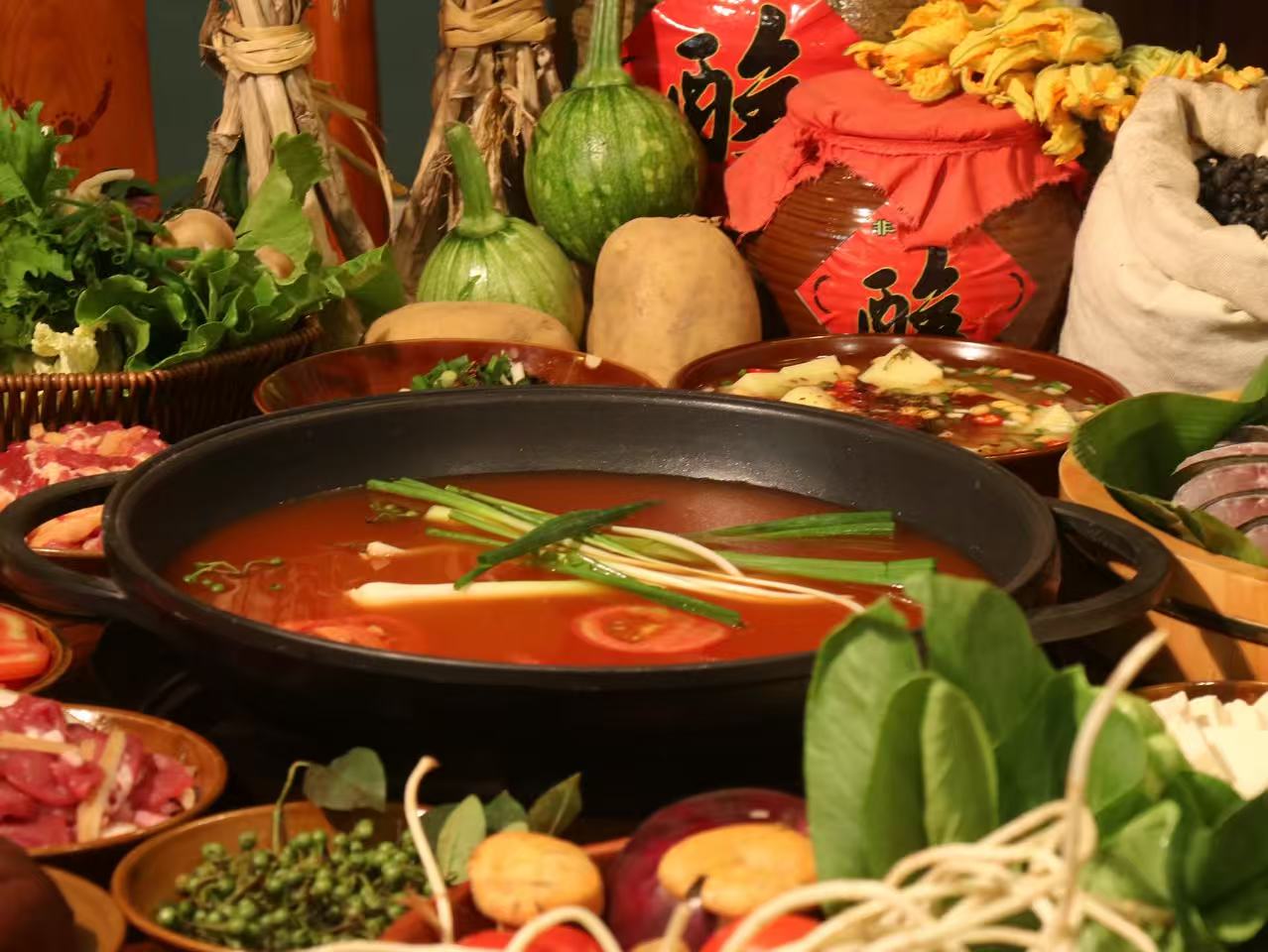
In Southeast Asia’s steamy kitchens, sourness reigns supreme — from Thailand’s tom yum to Indonesia’s asam pedas. Now, tomato sour soup from China’s Guizhou is redefining Southeast Asian cuisine with its lactic acid bacteria-rich fermentation. This Chinese food isn’t just a condiment — it’s a B2B game-changer for hot pot, clean-label sauces, and functional foods.
I. Guizhou Tomato Sour Soup: A 1,000-Year Fermentation Legacy
Far beyond ordinary acidity, tomato sour soup is a living microbial ecosystem. In Qiandongnan’s Miao and Dong villages, locals ferment with mountain spring water, glutinous rice, chilies, and wild herbs. Three signature styles dominate:
1. Red Tomato Sour Soup (The Star of Southeast Asian Fusion)
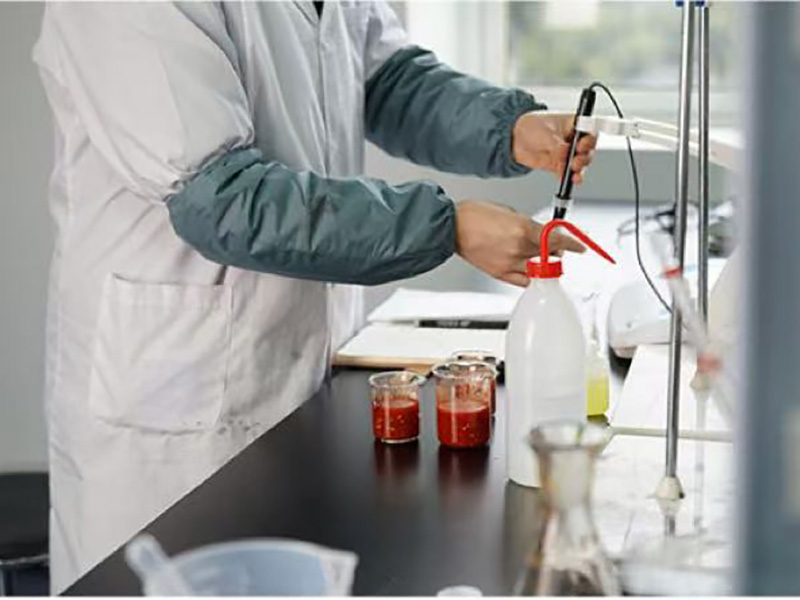
Bright crimson from ripe tomatoes, fermented 15–30 days. Lab tests show lactic acid bacteria counts 3x higher than yogurt. Delivers mellow sourness + natural sweetness — ideal for replacing tamarind in tom yum or laksa.
2. White Sour Soup: Clean Umami for Hot Pot Broth
Fermented from rice water. A 2024 Guizhou University study identified unique yeast strains that amplify glutamic acid in broths. Add 2–3% to Vietnamese pho or hot pot → umami surges without MSG.
3. Oil-Preserved Sour Soup: Shelf-Stable Powerhouse
Sealed with tea oil. Contains 20% more unsaturated fatty acids than regular oils. Extends shelf life of RTE meals by 40% — critical for tropical distribution.
Key Fact: All variants use 100% natural fermentation — no citric acid, no preservatives. Over 50 volatile compounds create flavor depth unattainable by industrial acids.
II. Seamless Fusion with Southeast Asian Cuisine
1. Upgrade Traditional Sour Agents
- Thailand: Replace tamarind paste with red tomato sour soup → cut sugar by 30%, same pH intensity
- Vietnam: 2% white sour soup in beef pho → +18% glutamic acid vs fish sauce alone
- Malaysia/Indonesia: Boost asam laksa with oil-preserved variant → richer aroma, longer shelf life
2. Natural Preservation for Tropical Climates
Universiti Teknologi Malaysia (2024): Organic acids + antimicrobial peptides in sour soup inhibit Salmonella & Listeria. Add 5% to packed meals → shelf life +40% at 30°C.
3. Clean-Label, Health-Forward Innovation
- 25% less salt needed (acidity enhances flavor perception)
- No added sugar — natural amino acids provide sweetness
- 100% clean label — zero E-numbers
III. $2.7B Market Opportunity in Southeast Asia
FoodNavigator-Asia forecasts the region’s acid condiment market hitting $2.7 billion by 2025 (CAGR 8.3%). Tomato sour soup wins with:
- Differentiation: “Living fermented flavor” vs dead acids
- Pricing Power: 15–20% premium for “traditional + functional”
- Applications: Hot pot bases, plant-based meats, RTD soups, snacks
Conclusion: Your Next Clean-Label Sour Solution
Tomato sour soup isn’t just Chinese food — it’s the future of Southeast Asian cuisine. With lactic acid bacteria, unmatched flavor complexity, and clean-label credentials, it’s ready to power your next hot pot innovation or premium sauce line.
Ready to launch fermented sour soup products? Contact Lvyin Food for B2B samples, COA, and OEM specs.
Related:
Low-Calorie Sour Soup for Weight Loss |
Southeast Asian Hot Pot Recipes