In recent years, sour soup hot pot has rapidly emerged as one of the most visible new formats in China’s hot pot industry. From regional specialty restaurants to national chain brands, sour soup is no longer a niche flavor but a growing category that reflects deeper changes in consumer preferences, dining behavior, and supply chain capabilities.
This shift is not driven by novelty alone. Instead, it is closely linked to flavor fatigue in traditional hot pot, rising demand for lighter dining experiences, and the industry’s need for differentiation in an increasingly competitive market.
1.Why Sour Soup Is Becoming a Hot Pot Trend
The popularity of sour soup hot pot represents a structural change in how consumers evaluate hot pot. Rather than pursuing maximum spiciness or richness, more diners now prioritize balance, freshness, and comfort, especially as hot pot consumption becomes more frequent.
Sour soup offers a refreshing acidity that stimulates appetite while reducing greasiness, making it suitable for repeated consumption and longer dining occasions.
2.Flavor Fatigue and Consumer Demand Shift
For over a decade, the hot pot market has been dominated by spicy mala broths and beef tallow bases. While these flavors remain iconic, heavy oil content and intense seasoning can lead to fatigue, particularly among young urban consumers who eat hot pot regularly.
Sour soup hot pot directly responds to this fatigue by delivering a lighter sensory profile that still maintains depth and umami. This makes it appealing to office workers, families, and female consumers seeking a more comfortable dining experience.
3.Guizhou Sour Soup and Regional Identity
At the core of the sour soup hot pot trend is Guizhou sour soup, a traditional fermented soup base deeply rooted in local ethnic cuisine. Unlike acidified broths, authentic sour soup develops its flavor through natural fermentation, resulting in layered acidity and complexity.
From a branding perspective, Guizhou sour soup provides clear regional identity, cultural storytelling, and strong differentiation from Sichuan and Chongqing hot pot styles. More insight into this evolution can be found in this industry-focused analysis: Guizhou Sour Soup Industry Trends.
4.Fermentation and Health Perception
Although sour soup hot pot is not positioned as a health food, its fermented flavor profile aligns well with modern health perceptions. Consumers increasingly associate fermentation with digestibility, balance, and natural flavor development.
Compared with oil-heavy broths, sour soup is often perceived as lighter and easier to digest, especially when paired with vegetables and seafood. Globally, fermented flavors are gaining momentum in foodservice, as highlighted by Mintel Food & Drink Insights, which identifies fermentation as a key driver of flavor innovation.
5.Ingredient Compatibility and Menu Expansion
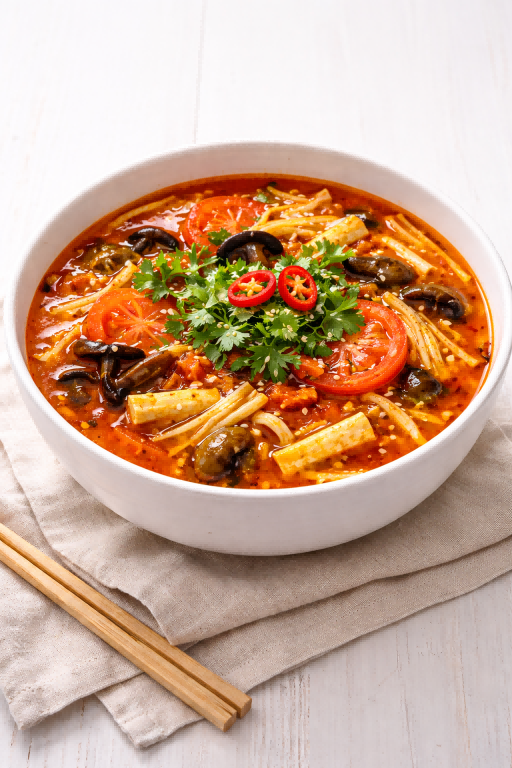
Sour soup hot pot supports a wide range of ingredients, including fresh fish, shrimp, leafy vegetables, mushrooms, sliced meats, and rice noodles. The acidity enhances freshness and umami without masking natural flavors.
This compatibility allows restaurants to design more flexible menus, highlight ingredient quality, and better manage costs across seasons. It also enables operators to introduce lighter protein options without compromising taste.
6.Standardization and Chain Scalability
Historically, regional cuisines often struggled to scale due to reliance on manual preparation. Advances in food processing have enabled sour soup bases to be standardized with stable acidity, color, and flavor consistency.
As a result, sour soup hot pot has moved from local specialty restaurants to nationwide chains. A detailed overview of formulation logic and supply chain considerations is available in this guide: Guizhou Sour Soup Industry Guide.
7.Light Hot Pot and One-Person Dining
The rise of one-person hot pot and fast-casual formats has further accelerated sour soup adoption. These formats require broths that are easy to consume, not overpowering, and suitable for shorter dining occasions.
Sour soup hot pot fits these requirements well, making it popular in shopping malls, business districts, and lunch-focused concepts.
8.Is Sour Soup a Short-Term Trend?
Evidence suggests sour soup is evolving into a stable sub-category rather than a temporary trend. Dedicated sour soup brands continue to expand, while mainstream chains integrate sour soup as a permanent menu option.
Supported by cultural heritage, consumer acceptance, and supply chain maturity, sour soup hot pot is positioned for long-term growth.
9.Conclusion
Sour soup has become a new trend in the hot pot industry because it answers real market needs: flavor diversification, lighter consumption, health perception, and scalable production.
As competition intensifies, categories that balance tradition with modern dining habits will continue to grow. Sour soup hot pot, rooted in Guizhou cuisine yet adapted for national chains, exemplifies this evolution.
Frequently Asked Questions
What is sour soup hot pot?
Sour soup hot pot is a Chinese hot pot style based on fermented sour soup, most commonly originating from Guizhou cuisine. It features a refreshing sour and umami flavor profile distinct from spicy or beef tallow broths.
Why is sour soup hot pot becoming popular?
It is gaining popularity due to consumer demand for lighter, less greasy meals, interest in fermented flavors, and the need for menu differentiation in a competitive hot pot market.
Is sour soup hot pot healthier than spicy hot pot?
While not a health food, sour soup hot pot is often perceived as lighter and easier to digest due to its acidity and lower oil content.
Can sour soup hot pot be standardized for chain restaurants?
Yes. Modern food processing enables sour soup bases to be standardized with consistent flavor and acidity, making them suitable for chain and franchised operations.
Is sour soup hot pot a short-term trend?
No. Backed by regional heritage, consumer acceptance, and a mature supply chain, sour soup hot pot is developing into a long-term category.