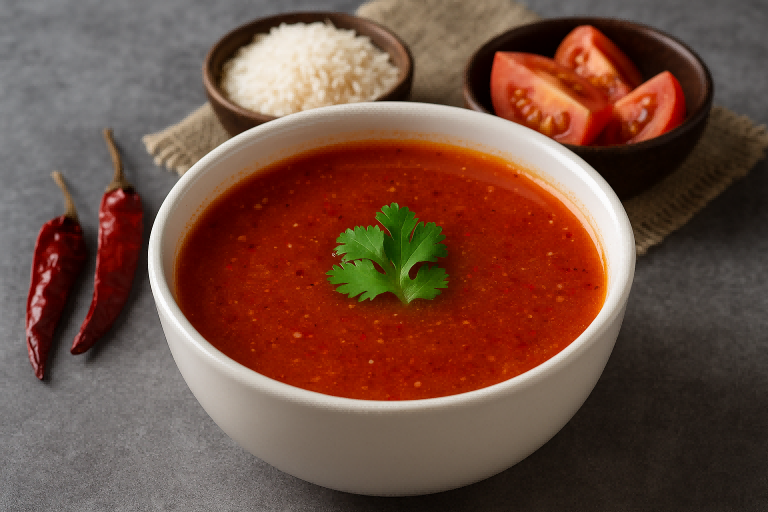
To consumers, Guizhou sour soup (贵州酸汤) is a bright, appetizing, sour-and-spicy broth.
To B2B buyers—restaurant chains, hotpot brands, food manufacturers, seasoning companies, and importers—it is a fermented liquid flavor system built on a highly specific lactic acid fermentation process.
Understanding why Guizhou sour soup is sour and how lactic acid fermentation works is not just a cultural curiosity. It directly affects:
- Flavor consistency across stores and batches
- Food safety, pH control, and shelf life
- Performance in hotpot bases, fish soup, ready meals, and sauces
- How do you evaluate and brief suppliers for OEM / private label production
This guide explains the acidity and fermentation logic of Guizhou sour soup from a B2B point of view:
what ferments, which microbes are involved, how lactic acid differs from vinegar, what parameters determine stability, and what buyers should ask suppliers before committing to a source.
If you are not yet familiar with Guizhou sour soup as a category (types, formats, applications), you may want to review:
first for a big-picture overview of the product and its supply chain.
1. From “Sour Taste” to Fermentation Logic
When a consumer says, “This soup is sour,” they are talking about perception.
When a B2B buyer asks “why is this soup sour?”, they are really asking about the underlying chemistry and process control that creates that perception.
Most sour flavors in food come from one of three sources:
- Added acids – e.g., vinegar (acetic acid), citric acid, malic acid
- Fermentation-derived acids – lactic acid, acetic acid, other organic acids
- Natural fruit/vegetable acidity – tomatoes, citrus, tamarind, etc.
Guizhou sour soup is unique because its core sourness is driven by lactic acid fermentation, not simply adding vinegar or powdered acids. This has major implications for:
- Flavor complexity
- Texture and mouthfeel
- Integration with chili oil and aromatics
- How the soup behaves in long eating sessions (hotpot, fish hotpot, etc.)
So the core B2B question is not “how sour is it?”, but rather:
“What kind of acid is it, where does it come from, and how is it controlled?”
2. What Actually Makes Guizhou Sour Soup Sour?
Traditionally, Guizhou sour soup is prepared by fermenting a mixture of:
- Tomatoes or local red fruits
- Rice or rice porridge/rice water
- Water and salt
- Sometimes chili and aromatics are used early in the process
Over several days to weeks (depending on season and method), naturally present lactic acid bacteria (LAB) convert sugars from tomatoes and rice into organic acids—primarily lactic acid. As lactic acid accumulates:
- pH drops (often toward the 3.5–4.0 range)
- Sourness becomes clear and pronounced
- Many spoilage microbes are suppressed
This is why, from a process standpoint, we can say:
Guizhou sour soup is sour because it is a lactic acid fermented soup base,
not because someone “added sourness” later.
In industrial products, this fermented base is then cooked, combined with chili, oil, aromatics, and other seasonings to form a finished hotpot or fish-soup base.
3. The Role of Lactic Acid Bacteria (LAB)
The key drivers behind Guizhou sour soup fermentation are lactic acid bacteria, usually from genera such as:
- Lactobacillus
- Leuconostoc
- Pediococcus
In traditional processes, LAB comes from:
- Natural microflora on tomatoes and grains
- Back-slopping from previous fermentations (reusing some old brine)
- The environment and the fermentation vessels themselves
These bacteria thrive in environments that are:
- Moist and rich in carbohydrates (tomato, rice)
- Moderately salty
- Kept at warm but not hot temperatures
- Relatively low in oxygen (submerged or covered)
For B2B buyers, LAB is important not only because it produces sourness, but also because it contributes to:
- Aroma: fruity, buttery, fermented notes
- Flavor integration: connecting acidity with chili and umami
- Safety: pH reduction inhibits many pathogens
In modern factories, producers may use more controlled approaches:
- Starter cultures to guide which LAB dominates
- Fermentation rooms with temperature control
- Time/pH curves to decide when fermentation is “read.y”
4. Substrates: What Is Being Fermented?
No fermentation can happen without a substrate—food for microbes. In Guizhou sour soup, the main substrates are:
4.1 Tomatoes and Red Fruits
- Provide simple sugars (glucose, fructose) for LAB to metabolize
- Contains natural acids (malic, citric) that contribute to baseline tartness
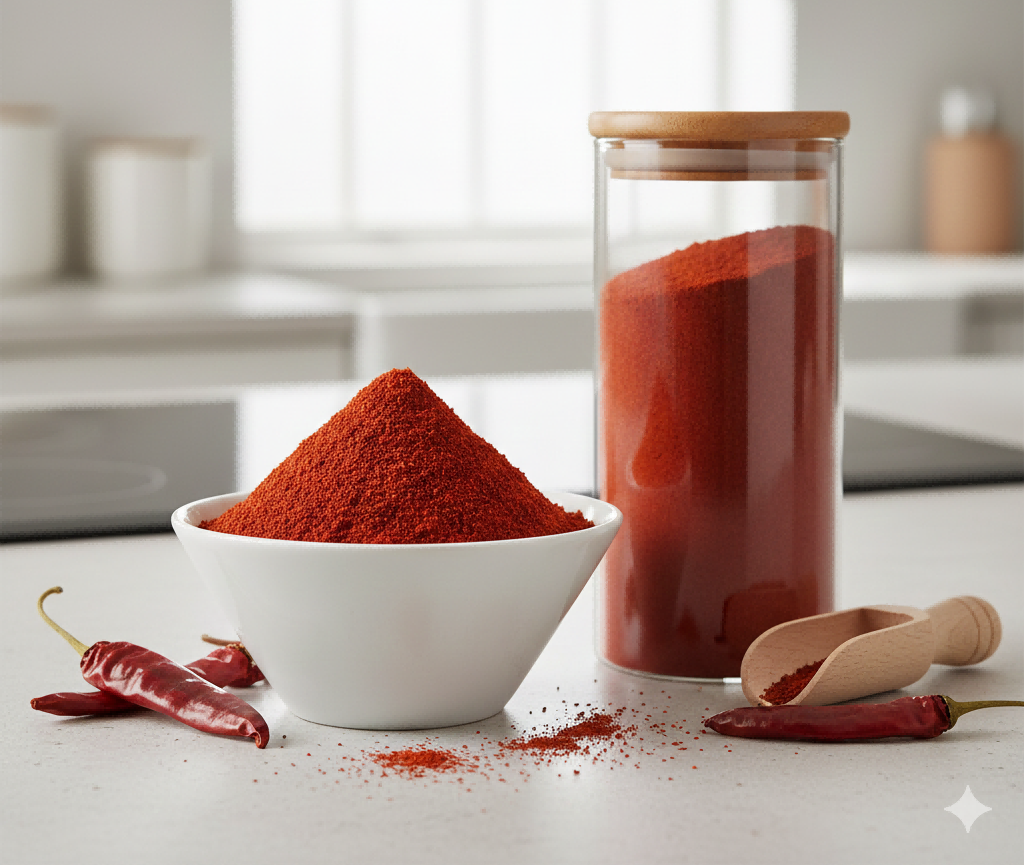
- Supply pigments (lycopene) that support the signature red color
- Add body, umami, and vegetal sweetness
4.2 Rice or Rice Porridge
- Provides starches that can be broken down into fermentable sugars
- Acts as a “fermentation booster” when combined with tomato
- Contributes to texture and mouthfeel
4.3 Water and Salt
- Water defines the medium in which LAB operate
- Salt controls microbial competition and keeps unwanted microbes in check
4.4 Chili and Aromatics
- Can be added either before or after the primary fermentation
- Provide capsaicin (heat), aroma, and oil-soluble flavor compounds
- Interact with acidity to build a layered, appetizing flavor
For B2B buyers, understanding substrates matters for several practical reasons:
- They determine fermentation speed and acid production potential
- They influence the final viscosity and body of the sour soup base
- They shape the color stability during storage and heating
5. Fermentation Parameters That Shape Acidity
Lactic acid fermentation may sound “natural,” but in a professional context, it is a process with variables that can be adjusted for different markets and applications. Key parameters include:
5.1 Temperature
- Cool conditions → slow fermentation, lighter acidity, fresher notes
- Warm conditions → faster acid production, deeper fermented notes
For industrial production, temperature is often controlled to keep LAB in their optimal range, balancing speed and flavor quality.
5.2 Time
- Shorter fermentation time → mild sourness, more tomato-forward
- Longer fermentation time → stronger sourness, more pronounced fermented flavor
Producers may design different fermentation curves for:
- Mass-market, lighter-taste products
- Traditional, bold-flavor products aimed at local Guizhou consumers
5.3 Salt Level
- Salt helps suppress spoilage organisms and supports LAB dominance
- But too much salt will slow or inhibit LAB, reducing acid production
Salt must be balanced for microbial safety, fermentation efficiency, and end-use flavor.
5.4 Oxygen Exposure
- Lactic acid bacteria are generally tolerant of low oxygen or prefer microaerophilic/anaerobic conditions
- Excessive oxygen can favor yeasts or molds that create off-flavors
Producers manage oxygen through:
- Vessel design (jars, tanks)
- Fill level and headspace
- Whether the mixture is stirred or left mostly undisturbed
5.5 Inoculation Strategy
- Traditional: rely on natural microbes, back-slopping, and the environment
- Industrial: may inoculate with defined LAB cultures for predictability
For B2B buyers, suppliers who can explain how they manage these parameters usually have better control and consistency.
6. Why Lactic Acid Sourness Feels Different from Vinegar
One of the most important sensory points for buyers to grasp is that lactic acid sourness ≠ is similar to vinegar sourness. Even at similar pH, the taste experience is very different.
6.1 The Sensory Curve of Lactic Acid
- Entry: gentle, not overly sharp on the first sip
- Mid-palate: rounded, creamy, integrated with body
- Finish: clean but lingering, appetizing rather than harsh
6.2 The Sensory Curve of Vinegar (Acetic Acid)
- Entry: sharp, immediate impact
- Mid-palate: bright but sometimes aggressive
- Finish: can feel volatile, “spiky,” or thin if not balanced with the body
This contrast explains why Guizhou sour soup can be:
- Very sour, yet drinkable
- Suitable for long hotpot sessions
- Comfortable even when consumed in large volumes
For restaurants and product developers, lactic-acid-driven sourness supports positioning such as:
- “Naturally fermented sourness”
- “Smooth, not harsh, acidity”
- “Better integrated with chili and umami.”
7. Safety, pH, and Shelf-Life: What Buyers Need to Know
Lactic acid fermentation is not only about flavor; it has critical implications for food safety and shelf-life management.
7.1 pH as a Safety Lever
As LAB produces lactic acid, the pH drops. Many spoilage and pathogenic organisms cannot grow below certain pH thresholds. For sour soup bases, a lower pH:
- Reduces risk of microbial spoilage
- Acts as a “hurdle” combined with heat processing and packaging
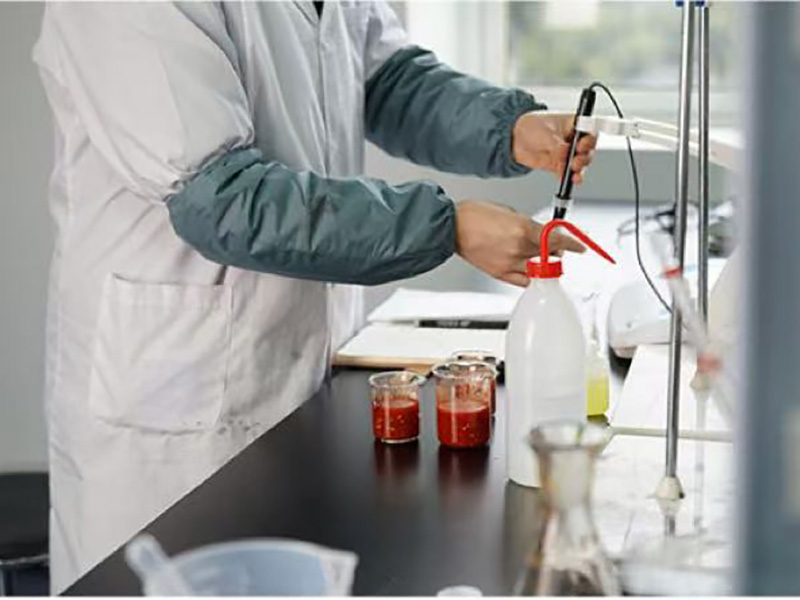
In a B2B context, professional suppliers often track:
- pH at fermentation end-point
- pH after cooking and concentration
- pH over shelf-life under recommended storage conditions
7.2 Microbial Ecology
Once LAB dominates and acidifies the system, many spoilage microbes are outcompeted. However:
- Uncontrolled fermentation can still allow undesirable microbes early in the process
- Factory hygiene and raw material quality remain critical
7.3 Heat Treatment and Packaging
Industrial sour soup bases typically combine fermentation with:
- Cooking to integrate flavors and further reduce microbial load
- Hot-filling or pasteurization, where appropriate
- Barrier packaging, including pouches, bags, or bag-in-box
As a buyer, you should consider asking suppliers:
- What is the typical pH and acidity of your fermented base?
- What heat treatments do you apply post-fermentation?
- How do you validate shelf-life and safety?
8. From Clay Jars to Factory Tanks: Industrial Sour Soup Production
Historically, Guizhou sour soup ferments in clay jars, often in household or small-restaurant settings. For B2B use, the challenge is to translate that traditional logic into scalable, auditable processes.
8.1 Traditional Model
- Small batches in jars or crocks
- Season-dependent fermentation speed
- High variability between households and locations
- Flavor prized by locals, but hard to standardize
8.2 Industrial Model
A modern sour soup supplier typically employs:
- Standardized raw materials (defined tomato mix, rice ratio, chili profile)
- Controlled fermentation rooms or tanks
- Optional starter cultures for LAB
- Defined fermentation time/temperature/pH targets
- Integrated cooking, blending, and packaging lines
The result is a sour soup base that can be:
- Shipped to chain restaurants as a hotpot or fish soup base
- Used in factories as an ingredient in ready meals or instant noodle seasonings
- Customized in sourness, color, and heat for different market segments
If you want more detail on how the industry has scaled from local jars to export-oriented production, you can refer to the Guizhou Sour Soup Industry Guide, which outlines formats, QA frameworks, and typical supply-chain models.
9. Practical Implications for B2B Buyers
Understanding lactic acid fermentation in Guizhou sour soup helps B2B buyers make decisions in several practical areas.
9.1 Specification Design
Instead of simply specifying “sour soup base,” you can define:
- Target pH range and/or titratable acidity
- Fermentation method (natural vs culture-guided)
- Desired sourness intensity (mild, medium, strong)
- Preferred flavor direction (more tomato, more fermented character, more chili-forward)
9.2 Product-Market Fit
- Domestic Guizhou-style outlets may prefer strong fermented notes
- National chains might need a middle-ground flavor, more approachable to new consumers
- Export or overseas markets may prefer a balancing act: recognizable sourness, but not too funky
9.3 Supplier Evaluation Checklist
Key questions to ask potential sour soup suppliers:
- How is the sourness generated—pure fermentation, or fermentation plus vinegar?
- How do you control fermentation time and temperature?
- Do you measure and record pH and acidity curves?
- What raw materials do you use as your fermentation base (tomato mix, rice types, chili origin)?
- What microbiological tests do you run on each batch?
- What is the typical shelf-life under refrigerated/ambient conditions?
9.4 Risk Management
With fermentation-based products, buyers should consider:
- Supplier’s experience with export documentation and standards
- Traceability of raw materials (tomatoes, rice, chili, salt)
- How deviations (e.g., over-fermentation, off-flavors) are handled internally
10. Connecting Fermentation Science with Guizhou’s Chili and Origin
Although this article focuses on “why Guizhou sour soup is sour,” lactic acid fermentation does not exist in isolation. It interacts closely with chili origin, chili processing, and regional agricultural conditions.
For example:
- Chilies with higher aroma and color stability contribute more to the final soup quality, especially after fermentation and cooking.
- Origin conditions in Guizhou—sunlight, altitude, rainfall—shape how chilies behave in oily, acidic environments.
- Choosing the right chili for sour soup bases is just as important as managing fermentation.
If your product strategy involves sour soup plus chili as a combined flavor system, it is worth understanding the Guizhou chili origin and supply in parallel. A useful resource is the Guizhou Chili Origin Guide, which explains why chilies grown in Guizhou tend to have a special aroma and performance advantages in regional applications.
11. Conclusion: Using Fermentation Logic to Buy Smarter
So, why is Guizhou sour soup sour?
It is built on a lactic acid fermentation system that transforms tomatoes, rice, and water into a stable, aromatic, and complex acidic base. Lactic acid bacteria drive pH down, shape aroma, and integrate with chili and oil to create a uniquely drinkable sourness—very different from simply adding vinegar.
For B2B buyers, the key is to move from “it tastes sour” to:
- What substrates are being fermented?
- Which microbes drive the process?
- How are temperature, time, and salt controlled?
- What is the pH and safety profile?
- How consistent is the process across batches and seasons?
Armed with this understanding, you can:
- Design clearer specifications for sour soup bases
- Ask sharper questions when auditing suppliers
- Match different sourness profiles to different markets
- Reduce risk while tapping into the commercial value of Guizhou sour soup
In other words, fermentation science is not just a technical topic—it is a powerful tool for making better sourcing, branding, and product-development decisions in the rapidly growing world of regional Chinese flavor systems.