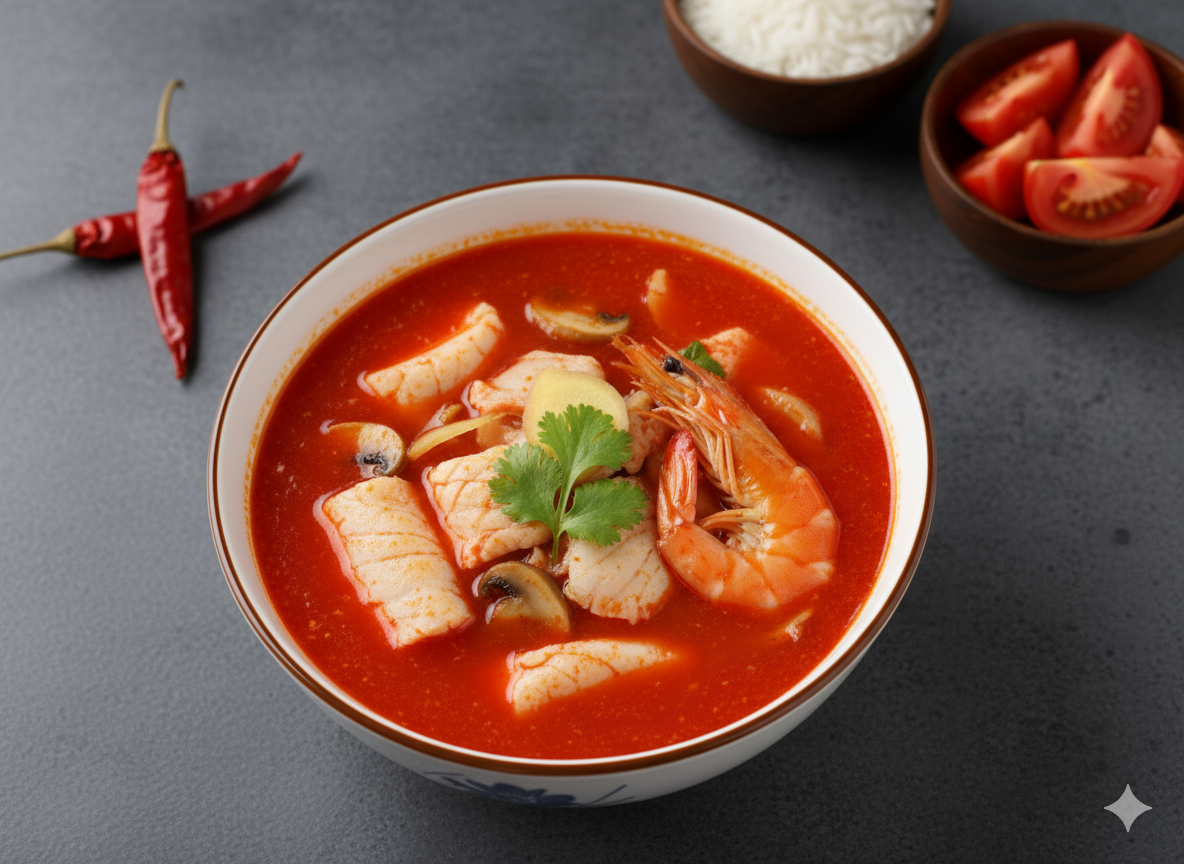
Sour soup hot pot trend is gaining momentum as hot pot brands and procurement teams search for lighter,
more distinctive, and scalable soup base solutions.
Hot pot is a mature and highly competitive category. When a new soup base becomes a “trend,”
it is rarely driven by marketing alone. More often, it signals a deeper shift in consumer taste,
menu economics, and supply chain readiness. Sour soup hot pot fits this pattern precisely.
and foodservice distributors evaluating sour soup as a scalable hot pot base.
Sour Soup Hot Pot Trend: What It Means for Buyers
From a procurement perspective, the sour soup hot pot trend is not about novelty.
It reflects structural changes in how hot pot brands think about repeat consumption,
menu differentiation, and operational efficiency.
1. Changing Consumer Demand Is Redefining Hot Pot
Traditional hot pot soup bases have long relied on heavy oil, strong spice, and intense saltiness.
While these profiles remain popular, they increasingly face limitations in frequency of consumption
and audience breadth.
- Consumers are more sensitive to post-meal heaviness
- Family and female diners are influencing menu decisions
- Brands are optimizing for repeat visits, not just first impressions
Sour soup answers these needs with a brighter, more refreshing profile that maintains flavor impact
while reducing sensory fatigue.
2. Differentiation: Why Sour Soup Is Easier to Remember
In a crowded market, differentiation is not just about being different—it is about being memorable.
Sour soup delivers a distinct flavor structure that customers can clearly describe and recall.
and reduces reliance on short-term promotions.
Unlike many similar spicy bases, sour soup creates a unique identity that can anchor a brand’s menu
rather than compete inside an existing category.
3. Health Perception and Repeat Consumption
Health positioning in hot pot does not mean “bland.”
It means offering a soup base that feels lighter and more sustainable for frequent dining.
- Acidity and umami reduce reliance on heavy oil
- Flavor remains vivid even with lower greasiness
- Customers perceive sour soup as easier to eat regularly
This perception directly supports repeat visits and broader customer acceptance.
4. Standardization Is the Real Scaling Advantage
Many regional flavors struggle to scale because they depend heavily on chef skill.
Sour soup, by contrast, lends itself well to standardization through modern soup base formats.
| Standardization Area | What Buyers Should Specify | Why It Matters |
|---|---|---|
| Flavor target | Acidity range, salt balance, aroma intensity | Prevents customer complaints and review volatility |
| Thermal stability | Holding performance (e.g., 60–120 min), replenishment behavior | Ensures stable taste during peak hours |
| Color performance | Color consistency after dilution and boiling | Protects visual appeal and brand identity |
| Operational SOP | Dilution ratio, cooking steps, topping compatibility | Reduces training time and execution errors |
| Food safety & docs | COA, traceability, micro limits, compliance documents | Supports audits, franchising, and multi-region rollout |
not just short tastings.
5. Supply Chain Readiness Behind the Trend
The sour soup hot pot trend is supported by real supply chain upgrades.
Guizhou sour soup has moved from regional craft production to industrial-scale,
standardized manufacturing.
For deeper background, you may reference:
Industry observers have also noted the broader rise of regional flavors becoming national menu categories,
as discussed by Nation’s Restaurant News.
6. Procurement Checklist: What to Ask Suppliers
Before scaling sour soup across locations, procurement teams should clarify the following:
- Product format (concentrate, base sauce, ready-to-use)
- Dilution ratio and cost per serving
- Holding performance and flavor stability
- Documentation: COA, traceability, compliance
- Customization capability for brand-specific profiles
7. One Base, Multiple Applications
One of sour soup’s strongest advantages is its flexibility.
A single standardized base can support:
- Sour soup hot pot
- Sour soup fish
- Sour soup beef
- Noodles and fast-casual formats
- Compound seasonings and sauces
Available formats designed for foodservice operations can be reviewed in our Sour Soup Series.
8. Conclusion: A Trend Driven by Operations, Not Hype
The sour soup hot pot trend is gaining traction because it aligns with real-world needs:
lighter flavor profiles, strong differentiation, and reliable standardization.
For buyers, the question is no longer whether sour soup is “interesting,”
but whether the sourcing strategy and specifications are strong enough to support long-term rollout.
If you are evaluating sour soup for a new launch or menu upgrade,
we welcome you to discuss specifications, application scenarios, and sample testing
to identify the most suitable solution for your operation.