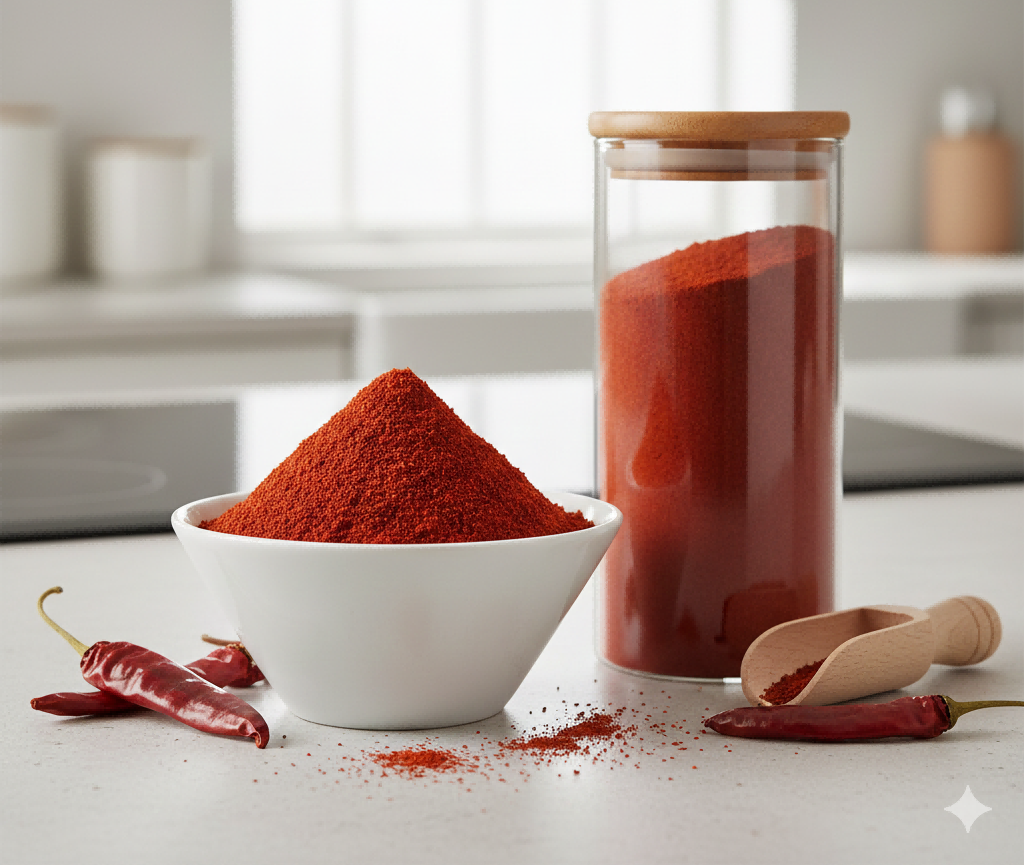
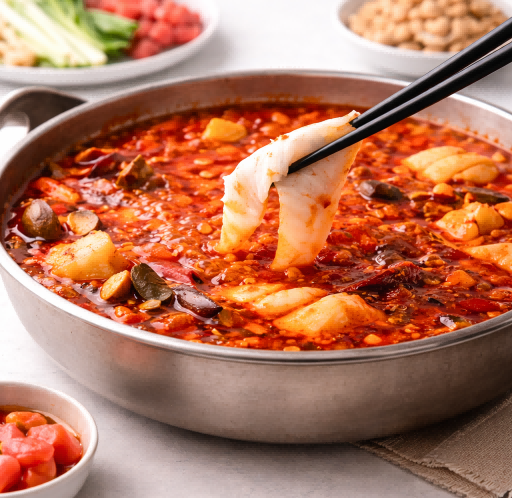
Guizhou Sour Soup (often recognized through signature sour-soup fish and sour hot pot) is moving from regional specialty to scalable menu platform.
This guide is written for restaurant procurement, central-kitchen operators, brand founders, and product managers who need: consistent flavor,
predictable costing, efficient kitchen operations, and a supplier-ready specification.
Executive Summary (for Buyers)
Guizhou Sour Soup is not “just sour.” It is a fermentation-built flavor system that can anchor multiple SKUs with one base:
fish soup, hot pot, beef dishes, noodles/rice meals, and compound seasonings (paste/sauce/powder). For chain operations,
the commercial value comes from standardization (fixed taste and acidity), operational efficiency
(less store prep), and menu expansion (one base → many products).
Hot pot chains, fish specialty stores, fast-casual noodles, casual dining groups, central kitchen + delivery brands.
Stable acidity, consistent color/tomato notes, low off-flavors, microbial safety, predictable yield per portion.
High consumer recognition, “lighter” perception vs heavy oil bases, strong pairing across proteins and carbs.
Use a master base in central kitchen; deploy as concentrate/paste; finish in-store with standardized ratios.
Sour soup fish
Sour soup hot pot base
Compound seasoning
Foodservice procurement
Standardization
Table of Contents
- What Is Guizhou Sour Soup?
- Why It Works for Foodservice and Chain Operations
- Commercial Formats: Base, Concentrate, Paste, Sauce, Powder
- Application 1: Fish Soup and “Sour Soup Fish” Menus
- Application 2: Guizhou Sour Soup Hot Pot
- Application 3: Beef, Offal, and Mixed Meat Dishes
- Application 4: Noodles, Rice Meals, and Quick-Service Bowls
- Compound Seasoning: Building Brand-Specific Flavor Systems
- Operational SOPs: Prep, Portioning, Holding, and Service
- Procurement & QA: Specification, Testing, and Acceptance Criteria
- Costing, Yield, and Margin Planning
- Rollout Plan: Pilot → Standardization → Chain Expansion
- FAQ for Buyers
1) What Is Guizhou Sour Soup?
Guizhou Sour Soup is a traditional sour and savory soup base originating from Guizhou Province in Southwest China.
In commercial terms, it is best understood as a fermentation-driven compound base that delivers
layered acidity, tomato-forward body (in many red styles), and a clean, appetizing “lift” that pairs well with
proteins and starches.
Many sour broths in foodservice rely primarily on vinegar or citrus, which can read as sharp and one-dimensional,
especially after reheating or holding. Guizhou Sour Soup tends to offer a more rounded sourness and deeper base flavor
because fermentation creates additional aromatic compounds that enrich perception beyond acidity alone.
Common commercial types
- Red Sour Soup: commonly tomato-based with chili and aromatics; provides vivid color and strong menu recognition.
Often used for sour-soup fish and sour hot pot. - White Sour Soup: lighter color and cleaner acidity; more flexible for mild menus, seafood, and noodle bowls where
a less tomato-forward profile is desired.
or tomato base—one core can support multiple SKUs, seasonal LTOs, and regional variations without re-training the entire kitchen.
For a deeper internal reference that complements this procurement-focused guide, you can also read:
Guizhou Sour Soup Industry Guide
.
This link is useful if you are building a content cluster and want a second supporting pillar page for SEO and internal linking.
2) Why It Works for Foodservice and Chain Operations
Procurement teams typically evaluate a new flavor base on four dimensions: consumer demand,
operational feasibility, cost stability, and scalability.
Guizhou Sour Soup performs well across all four when it is sourced and standardized correctly.
2.1 Consumer-facing advantages that support sales
- High recognition: “Sour soup fish” is already a proven menu keyword in many markets.
- Balanced positioning: Perceived as lighter than heavy oil-based spicy broths, but still flavorful.
- Strong visual identity: Red sour soup offers immediate “photo appeal,” improving social sharing and conversion.
2.2 Back-of-house advantages that reduce operational friction
- Central kitchen friendly: Works well as concentrate/paste, enabling distribution and store-level finishing.
- Lower prep complexity: Reduces the need to manage fermentation, tomato cooking, and acidity balancing in store.
- Consistent output: With fixed ratios, different staff can reproduce the same taste across outlets.
2.3 Supply chain and compliance fit
Modern buyers often prefer products that can be validated by documentation: COA, microbial limits, allergHS/RM specs, and batch stability.
Guizhou Sour Soup can be industrialized into a documentation-ready product line, which supports chain procurement frameworks.
100 kitchens, under different staff, equipment, and peak-hour conditions.
3) Commercial Formats: Base, Concentrate, Paste, Sauce, Powder
A common mistake is treating Guizhou Sour Soup as a single “soup product.” In practice, restaurants and food factories adopt it through formats
that match their operations. Choosing the right format is often more important than choosing the “best” flavor in an absolute sense.
| Format | Best for | Procurement benefits | Operational notes |
|---|---|---|---|
| Ready-to-use base (liquid) | Single stores, small groups, fast deployment | Low R&D effort, quick menu launch | Higher freight cost; manage opened-pack holding |
| Concentrate (liquid) | Chains with central kitchen dilution SOP | Lower logistics cost per portion; consistent ratios | Requires standardized dilution and finishing |
| Paste / hot pot base | Hot pot, fish specialty, sauce-style cooking | High flavor density; easier inventory control | Need mixing protocol to avoid scorching in wok/pot |
| Cooking sauce (RTU) | Fast-casual bowls, stir-fries, set meals | Simple training; stable per-plate yield | Design for top-note retention after reheating |
| Seasoning powder | Instant noodles, dry mix, snack seasoning | Long shelf life; easy export and blending | Requires carrier system; sourness perception differs |
If stores are labor-constrained, choose RTU base or paste with simple ratios. If you have a central kitchen, concentrate/paste often delivers the best
cost-per-portion and scalability.
4) Application 1: Fish Soup and “Sour Soup Fish” Menus
Sour soup fish is the category where Guizhou Sour Soup has the clearest product-market fit. The acidity and fermented depth reduce fishy notes,
brighten perceived freshness, and deliver a “clean finish” that diners associate with quality.
4.1 Menu architecture for chain brands
Buyers should think in modules. A single sour soup base can support:
- Signature sour soup fish (core hero dish)
- Spicy upgrade (add chili oil or chili paste at standardized grams)
- Premium seafood variant (shrimp, squid, mixed seafood)
- Vegetable add-ons (mushrooms, tofu, leafy greens) that increase ticket size
4.2 Operational SOP example (chain-friendly)
- Central kitchen provides sour soup concentrate or paste with fixed Brix/acidity targets.
- Store dilutes to working broth using a fixed ratio (e.g., 1:2, 1:3), then finishes with aromatics pack.
- Fish is portioned by weight, pre-marinated if needed, and cooked to time/temperature standard.
- Garnish kit standardizes final aroma and appearance to reduce store variance.
Your sour soup specification should support all of these outcomes.
4.3 Pairing logic for fish types
Different fish species vary in fat content and aroma intensity. A procurement-friendly approach is to define “fish tiers” and bind each tier to a
standardized broth intensity:
- Lean white fish: medium sourness and clean tomato notes; avoid overpowering spice.
- Higher-fat fish: slightly higher acidity to cut richness; allow stronger chili.
- Mixed seafood: cleaner acidity profile; manage aromatic top notes to avoid masking seafood sweetness.
5) Application 2: Guizhou Sour Soup Hot Pot
Sour soup hot pot is a fast-growing format because it offers a different “comfort profile” than heavy spicy broths.
It feels warming but not greasy, and it opens the door to a broader consumer base—including those who want flavor but avoid excessive oil.
5.1 Positioning: where it fits in the hot pot menu
- As a hero broth: “Guizhou sour soup hot pot” as the signature identity
- As a dual-pot option: sour soup + classic spicy (or clear broth) to capture mixed parties
- As a seasonal LTO: launch in warmer months as a “lighter” alternative
| Dimension | Sour Soup Hot Pot | Traditional Spicy Hot Pot |
|---|---|---|
| Broth identity | Sour + savory + moderate heat | Spicy + oily + intense aromatics |
| Oil management | Lower oil layer; easier cleaning | Higher oil separation; more equipment residue |
| Customer segmentation | Broader (including “light” preference) | Primarily spice lovers |
| Operational variability risk | Lower when ratios are fixed | Higher due to oil/spice balancing |
5.2 What buyers should validate in a hot pot base
- Acid stability during holding: does it remain balanced after 60–120 minutes of simmer?
- Color stability: does it dull, brown, or separate noticeably?
- Protein pairing: does it work with beef slices, lamb, seafood, and vegetables without clashing?
- Aftertaste and throat feel: sour should be appetizing, not “sharp” or lingering harshly.
Buyers should consider not only taste but “visual consistency” across outlets.
6) Application 3: Beef, Offal, and Mixed Meat Dishes
Beef is a strong match for Guizhou Sour Soup because acidity cuts fat and enhances perceived richness.
This enables multiple commercial benefits: beef dishes taste less heavy, diners can eat more comfortably, and brands can position the dish as “bold but balanced.”
6.1 Typical B2B-friendly dish models
- Sour soup beef stew (casual dining + rice set)
- Sour soup beef hot pot slices (hot pot chain or small pot format)
- Sour soup beef noodle topping (fast-casual noodles)
- Sour soup offal (regional specialty; test market first)
6.2 Procurement logic: managing beef cost volatility
Beef prices and cut availability fluctuate by market and season. A sour soup system can reduce your dependence on one “perfect” cut,
because the base carries strong flavor identity. Buyers can design a cut strategy:
- Use premium cuts for hero SKUs and marketing visuals.
- Use cost-optimized cuts for bowls, noodles, or lunch sets, supported by standardized base and garnish packs.
- Control yield with portioning SOP (grams per serving) and consistent broth-to-meat ratio.
7) Application 4: Noodles, Rice Meals, and Quick-Service Bowls
Guizhou Sour Soup adapts extremely well to quick-service formats because the core experience can be delivered through broth,
even when cook time is short and labor is limited. This makes it suitable for fast-casual noodles, rice bowl brands, delivery kitchens, and canteen menus.
7.1 Why it works operationally
- Simple assembly: broth + protein + starch + garnish = complete SKU
- Easy portion control: broth grams and protein grams can be standardized
- Scalable training: store staff follow ratios rather than cooking a complex base
- Delivery friendly: sour profile holds up well; perceived freshness can remain strong after transit
7.2 Menu design patterns for QSR
| Pattern | Example SKU | How to standardize |
|---|---|---|
| Broth-forward bowl | Sour soup beef rice bowl | Fixed broth portion + fixed meat grams + garnish kit |
| Noodle soup | Sour soup rice noodles | Pre-diluted working broth + time-based reheat SOP |
| Dry-toss + side broth | Sour soup seasoning dry noodles | Seasoning sauce ratio per noodle weight + small broth cup |
| Small pot / mini hot pot | Single-serve sour soup pot | Paste concentrate + measured water + ingredient pack |
A paste or concentrate that turns into a working broth in minutes will usually outperform a raw ingredient approach.
8) Compound Seasoning: Building Brand-Specific Flavor Systems
The biggest strategic opportunity for B2B adoption is turning Guizhou Sour Soup into a compound seasoning system.
This means you are not buying “a soup,” you are building a platform: hot pot base paste, cooking sauce, noodle seasoning, and even snack seasoning
that share the same brand signature.
8.1 What “compound seasoning” means for procurement
In practice, compound seasoning solutions allow you to:
- Create fixed sensory targets (sourness, tomato body, chili heat, aromatic top note)
- Reduce store-level variability
- Improve supply chain efficiency (fewer raw SKUs, easier inventory)
- Shorten new-store training time
- Enable cross-category expansion (fish → noodles → hot pot) without re-building flavor from scratch
8.2 Typical deliverables buyers request
- Master base: the core sour soup flavor with defined acidity and body
- Heat module: optional chili oil/paste with controlled pungency and color
- Aroma kit: herbs/spices pack to standardize “freshness” perception
- Application SOP: ratios for fish broth, hot pot, noodle broth, and sauce reduction
fewer decisions at store level, fewer “chef-dependent” outcomes, and fewer customer complaints about inconsistency.
8.3 Food science context (external references)
If your internal stakeholders need a simple explanation of why fermentation-derived bases feel “deeper” than single-acid soups,
this overview of fermentation provides a helpful baseline:
Encyclopaedia Britannica: Fermentation.
For an industry-oriented perspective on processing and formulation considerations, procurement and R&D teams often reference resources from
the Institute of Food Technologists:
IFT: Food Technology Magazine.
9) Operational SOPs: Prep, Portioning, Holding, and Service
Many promising menu launches fail because the base is good but the SOP is weak. For chain operations, you should design Guizhou Sour Soup applications
around repeatability under peak-hour conditions.
9.1 Prep and dilution SOP (recommended structure)
- Define a “working broth” standard: one dilution ratio for each application (fish, hot pot, noodles).
- Measure by weight, not by scoop: grams reduce variance between staff and stores.
- Use a finishing step: aromatics pack added at service or near-service for consistent top notes.
- Lock the salt target: prevent over-salting after reheat or reduction.
9.2 Holding and reheat management
Sour soup bases can change character under long holding time. Buyers and operators should validate:
(1) flavor after 30/60/120 minutes, (2) color stability, (3) separation, and (4) aroma freshness. If quality drops,
adjust the protocol: reheat in smaller batches, reduce holding temperature, or add top-note aromatics later.
Your SOP should specify simmer vs boil, and the acceptable holding time window.
9.3 Service consistency: the “four visibles”
Customers judge consistency through visible cues. Design your SOP to lock:
- Color: keep a reference photo and target shade; avoid “brown-out” due to overheating.
- Oil layer: specify chili oil grams if used; too much oil changes perception and cleaning load.
- Garnish density: standardized grams for scallion, cilantro, pickles, or other toppings.
- Portion yield: broth grams + protein grams + vegetable grams per bowl/pot.
10) Procurement & QA: Specification, Testing, and Acceptance Criteria
For B2B buyers, the procurement process should turn “taste preference” into measurable targets.
A strong specification reduces disputes, improves consistency, and shortens supplier onboarding time.
10.1 Recommended specification framework (what to request)
| Category | What to define | Why it matters |
|---|---|---|
| Sensory | Sourness level, tomato body, chili heat, aromatic top notes, aftertaste | Ensures the “brand signature” is reproducible across batches |
| Acidity & body | Target pH range / titratable acidity; target Brix/solids (if applicable) | Controls perceived sharpness, richness, and dilution behavior |
| Microbial safety | Micro limits; pathogen absence; shelf-life validation | Critical for fermented products and chain compliance |
| Ingredients & allergens | Full ingredient statement; allergens; additives used | Supports labeling and regulatory alignment in target markets |
| Packaging | Pack size, material barrier, reseal method, handling instructions | Directly impacts oxidation, off-flavors, and store waste |
| Application SOP | Ratios for fish/hot pot/noodles; cooking steps; holding guidance | Reduces store variance and training time |
10.2 Practical acceptance testing (buyer-friendly)
In addition to paperwork, buyers should run application tests that mirror real operations:
- Baseline tasting: diluted to working strength; evaluate balance and off-notes.
- Heat/hold test: simmer 60–120 minutes; compare before/after.
- Protein pairing test: with fish slices, beef slices, tofu, leafy greens.
- Customer simulation: taste after delivery time or peak-hour service time.
- Waste and yield measurement: calculate bowls per carton and leftovers per day.
This converts a subjective flavor into an operational standard that procurement can protect.
11) Costing, Yield, and Margin Planning
A scalable sour soup program should be profitable at the bowl/pot level. Buyers should focus on cost-per-serving, not cost-per-kilogram.
The right base may cost more per unit but deliver better yield, less waste, and higher customer satisfaction.
11.1 Build a simple costing model
- Base cost per portion: base grams × price per gram (at delivered cost).
- Protein cost per portion: fish/beef grams × price per gram.
- Garnish and aroma kit: standard grams per bowl.
- Labor and time: prep minutes saved by RTU/concentrate formats.
- Waste factor: open-pack spoilage and end-of-day leftovers.
11.2 Yield optimization levers
- Use concentrate/paste where possible: reduces logistics cost per serving.
- Standardize dilution: prevents staff from “free-pouring” and inflating COGS.
- Control holding batches: smaller reheat batches reduce waste and quality drop.
- Modular upsells: vegetables, tofu, mushrooms, and noodles increase ticket size with strong margin.
Guizhou Sour Soup can do this when designed as a compound system.
12) Rollout Plan: Pilot → Standardization → Chain Expansion
Procurement-led rollouts work best when you treat the launch like a controlled system, not a creative experiment.
Below is a buyer-friendly implementation pathway that reduces risk and accelerates scaling.
12.1 Phase 1: Pilot (2–6 weeks)
- Select 1–3 stores representing different performance levels and kitchen conditions.
- Test two formats (e.g., RTU base vs concentrate/paste) to compare yield and staff compliance.
- Collect customer feedback on sourness balance, aroma, and overall satisfaction.
- Measure waste, holding behavior, and portioning variance.
12.2 Phase 2: Standardization (4–8 weeks)
- Lock the “golden bowl” standard: grams, steps, and final photo.
- Create training materials: 1-page SOP, 3-minute video, and shift checklist.
- Define procurement acceptance criteria and batch QA gates.
- Set store audit checks: taste spot-check, color reference, portion weight checks.
12.3 Phase 3: Expansion (ongoing)
- Roll out to the network with a fixed supply schedule and buffer stock policy.
- Introduce menu variants using the same base (hot pot, noodles, beef) to increase ROI.
- Monitor KPIs: repeat rate, complaint rate, waste %, and COGS per serving.
- Run seasonal LTOs to keep consumer interest without changing the core supply chain.
Make the standard visible, auditable, and easy for stores to follow.
FAQ for Buyers
Is Guizhou Sour Soup only suitable for fish?
No. Fish is the most established application, but the same base can support hot pot, beef dishes, noodles, rice bowls, and compound seasonings.
The key is selecting the right commercial format (RTU, concentrate, paste, sauce, powder) and defining application ratios.
What should procurement focus on first: flavor or documentation?
Both matter, but in chain operations documentation protects repeatability. Start with a flavor target that fits your brand positioning, then lock it with:
ingredient declaration, microbial safety limits, acidity/body targets, and application SOPs. Taste without a spec often leads to “batch drift.”
How do we prevent “too sharp” sourness in stores?
Sharpness is usually caused by incorrect dilution, aggressive boiling, or long holding time. Solve it with fixed dilution ratios by weight,
a simmer-not-boil SOP, smaller batch reheating, and adding fresh aromatic top notes later in the process.
Which format is best for a growing chain?
If you have a central kitchen or plan to build one, concentrate or paste is often the most scalable and cost-efficient.
If you are launching quickly with limited training capacity, an RTU base can reduce operational risk during the pilot stage.
Can we build a brand-exclusive sour soup taste?
Yes. This is where compound seasoning design is powerful. Define your brand signature (tomato body, spice heat, aromatic top note, aftertaste)
and work with a supplier on a master base + heat module + aroma kit. Then standardize the application across fish, hot pot, noodles, and sauce SKUs.
Back to top: ↑