For many diners, Guizhou sour soup is simply “that addictive sour-and-spicy broth.” For product developers and purchasing teams, the more important question is:
Why is Guizhou sour soup sour—and what does lactic acid fermentation actually do for flavor, safety, shelf-life and application performance?
This isn’t just a cultural story. It’s a fermentation and process-control story that affects:
- Flavor consistency across batches
- Microbiological safety and pH stability
- Logistics and shelf-life in domestic and export markets
- How the base behaves in hotpot, fish dishes, ready meals and sauces
If you are not yet familiar with Guizhou sour soup as a category (types, usage scenarios, flavor profile), it’s helpful to start with:
What Is Guizhou Sour Soup?
This article goes one level deeper and explains lactic acid fermentation in Guizhou sour soup from a B2B and technical perspective.
1. What “Sour” Means in Guizhou Sour Soup
In many kitchens, “sour” comes from vinegar, lemon juice, or added food acids. In Guizhou sour soup, the story is different:
- The sourness is fermented, not simply dosed with acetic or citric acid.
- The main driver is lactic acid produced by lactic acid bacteria (LAB).
- The fermentation base is built on tomatoes, rice or grains, and often chili.
So when we ask “Why is Guizhou sour soup sour?”, we are really asking:
How do lactic acid bacteria convert the carbohydrates in tomatoes and grains into a stable, layered sourness that defines this category?
This matters because vinegar-based sourness is usually:
- Sharp and top-heavy on the palate
- More one-dimensional
Whereas sourness from lactic acid fermentation tends to be:
- Rounded and integrated
- Layered across the mid-palate
- More compatible with long eating sessions (hotpot, fish hotpot, noodles)
2. Guizhou Sour Soup as a B2B Product Platform
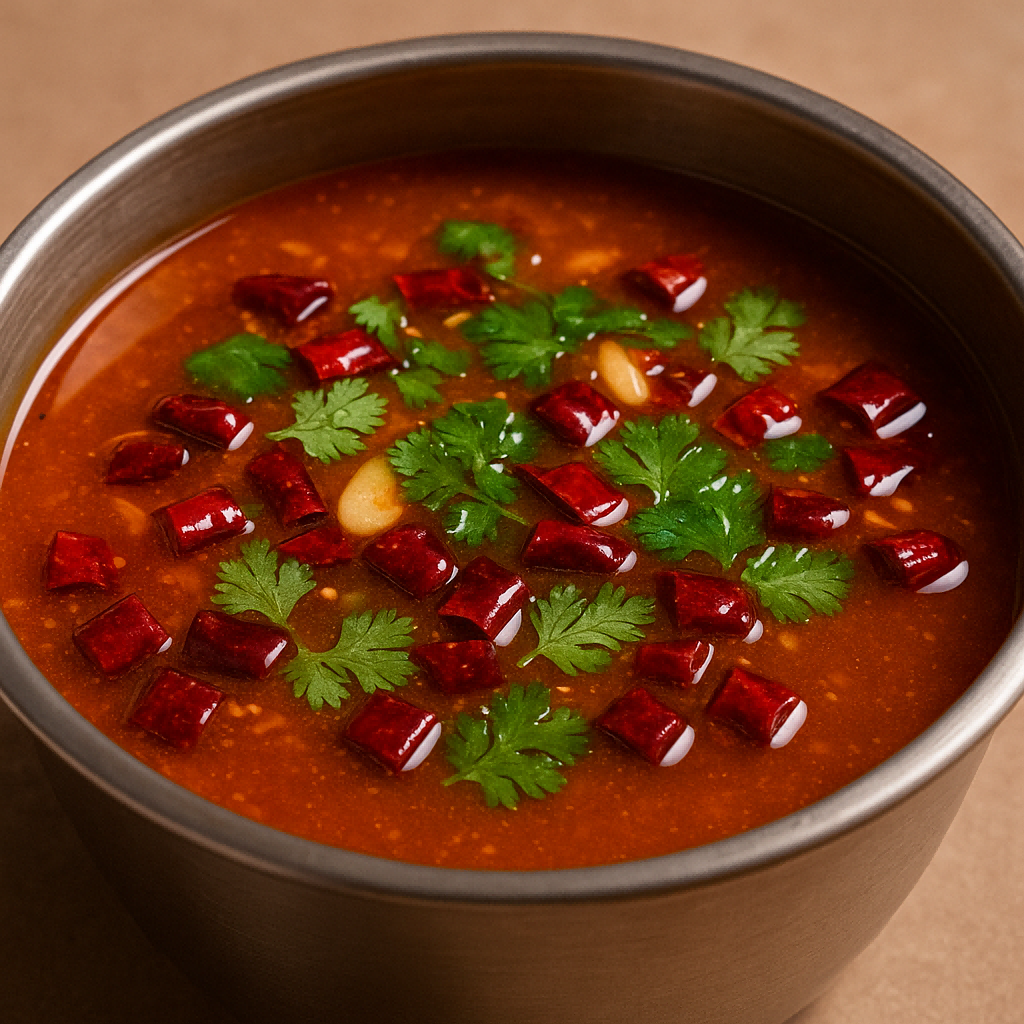
From a B2B perspective, Guizhou sour soup is not just a local dish. It is a flavor platform and an industrial soup base category. In commercial form, it usually appears as:
- Hotpot base (pouches, bags, bag-in-box)
- Fish soup base for chain restaurants
- Fermented sour concentrate for factories
- Retail hotpot and noodle soup bases for home cooking
Common features across these SKUs include:
- Sourness from lactic acid fermentation, not only vinegar
- Clean, appetite-lifting chili heat
- A body built from tomatoes or grains (red vs white sour soup)
- High flexibility across hotpot, fish dishes, noodles, ready meals and sauces
If you need an industry-level zoom-out—raw material sourcing, fermentation models, QA, formats and export practices—see:
Guizhou Sour Soup Industry Guide.
This article zooms in specifically on lactic acid fermentation in Guizhou sour soup and its implications.
3. What Actually Ferments: The Substrate Behind the Sourness
Lactic acid bacteria need available carbohydrates and suitable conditions. In Guizhou sour soup, those carbohydrates mainly come from:
3.1 Tomatoes
- Sugars: glucose, fructose
- Organic acids: malic, citric
- Pigments: lycopene for color
- Contribution: acidity, umami, color, fermentation substrate
3.2 Rice and Grains
- Starches that can be broken down into fermentable sugars
- Contribution: gentle sweetness, body and fermentation “fuel”
3.3 Vegetables and Chili
- Additional sugars and micronutrients
- Natural microflora, including LAB, from skins and surfaces
In traditional practice, these components are:
- Washed, cut, cooked or blanched as needed
- Mixed with water or rice porridge
- Placed into jars or vessels to ferment
From a microbiology perspective, this creates an environment that is:
- High in moisture
- Low to moderate in salt (depending on recipe)
- Rich in sugars, vitamins and micronutrients
In other words: a nearly ideal system for lactic acid bacteria to take over.
4. Lactic Acid Fermentation: The Core Mechanism
Lactic acid fermentation in Guizhou sour soup is a controlled biological process in which lactic acid bacteria (LAB) convert sugars into lactic acid under low-oxygen conditions.
4.1 Key Microbes
While exact species vary, common LAB genera include:
- Lactobacillus
- Leuconostoc
- Pediococcus
These organisms:
- Naturally exist on vegetables, grains and in the environment
- Thrive in warm, moist conditions typical of Guizhou
- Become dominant when pH, salt and oxygen conditions favor LAB over competitors
4.2 Simplified Reaction Pathway
At a high level, their metabolism looks like this:
Sugars (from tomatoes, rice, grains) → Lactic acid + flavor compounds + small amounts of other metabolites
As lactic acid accumulates:
- pH steadily drops
- Many spoilage and pathogenic microbes are inhibited
- The system becomes more stable and self-protecting
4.3 Fermentation Phases
- Early phase: mixed microflora, slight acidity, “raw” aroma.
- Active lactic phase: LAB dominate, pH drops quickly, tangy and fruity notes appear.
- Mature phase: acidity stabilizes, flavors round out, and the base becomes relatively stable if hygiene and temperature are controlled.
Industrial producers may adjust fermentation time, temperature and inoculation (natural vs starter cultures) to achieve specific sourness levels and flavor profiles.
5. Why Lactic Sourness Feels Different from Vinegar
From a sensory standpoint, lactic acid fermentation produces a very different sourness curve than vinegar.
5.1 The Lactic Sour Curve
Lactic-acid-driven sourness typically:
- Arrives softly at the front of the palate
- Builds in the mid-palate with a full, rounded character
- Finishes cleanly without harsh bite
Acetic-acid-driven sourness (vinegar) often:
- Hits sharply at the front
- Feels more “spiky” and aggressive
- Can overpower chili and umami if poorly balanced
This is why Guizhou sour soup can be intensely sour yet feel comfortable and drinkable, especially in long hotpot or fish hotpot meals.
5.2 Aroma and Umami Benefits
Lactic acid fermentation doesn’t just change pH. LAB activity also:
- Generates fruity and buttery side-notes
- Transforms tomato and grain flavors into more complex profiles
- Releases and modifies aromatic compounds that give the base depth
The result is a sour soup that tastes deep, not flat, with sourness, chili heat and umami integrated rather than stacked in separate layers.
5.3 Mouthfeel and Body
Lactic acid fermentation influences:
- Perceived viscosity (body) of the broth
- The way oils (chili oil, seasoning oil) interact with the aqueous phase
- Overall sense of richness despite moderate fat levels
A well-fermented Guizhou sour soup can therefore feel both light and rich—lighter than heavy oil broths, yet more satisfying than basic clear soups.
6. Process Parameters: How Producers Control Fermentation
For B2B buyers, lactic acid fermentation should be seen as a controllable process, not mysterious tradition. Key parameters include:
6.1 Temperature
- Typical effective range: roughly 20–30°C
- Too low → slow fermentation, risk of undesirable flora
- Too high → risk of off-flavors, yeast overgrowth, texture problems
Modern producers may use temperature-controlled rooms, seasonal process curves and starter cultures to keep lactic acid fermentation in the optimal zone.
6.2 Time
- Short fermentation → lighter sourness, brighter tomato notes
- Longer fermentation → deeper sourness, stronger fermented character
Product lines can be tuned for different markets:
- Mass-market customers → moderate sourness, less aggressive fermented notes
- Traditional consumers → bolder fermented flavor and higher acidity
6.3 Salt Level
Salt influences:
- LAB selection and activity
- Texture of vegetables and grains
- Perceived taste balance and mouthfeel
Too much salt slows fermentation; too little can invite unwanted microbes. Balanced salinity helps LAB dominate and keeps the sour profile lactic-driven rather than spoilage-driven.
6.4 Oxygen Exposure
Lactic acid bacteria prefer low-oxygen environments. Excess oxygen can encourage yeasts and other microbes that produce off-notes or surface growth.
Producers manage this with:
- Container design and fill level
- Sealing practices
- Minimal agitation once fermentation begins
7. Safety and Stability Benefits for B2B Products
From a food safety and shelf-life standpoint, lactic acid fermentation in Guizhou sour soup offers meaningful advantages.
7.1 pH Reduction
As LAB produce lactic acid, pH drops into a range where many pathogens struggle to survive or grow. This natural acidification:
- Improves intrinsic safety of the base
- Provides a “hurdle” alongside cooking and packaging
7.2 Microflora Dominance
Once LAB dominate, they:
- Outcompete spoilage organisms for nutrients
- Generate antimicrobial metabolites
- Help stabilize the fermentation ecosystem
7.3 Combined with Heat Treatment and Packaging
In industrial production, lactic acid fermentation is usually followed by:
- Cooking/boiling to integrate flavors and further reduce microbial load
- Hot-fill or controlled packing
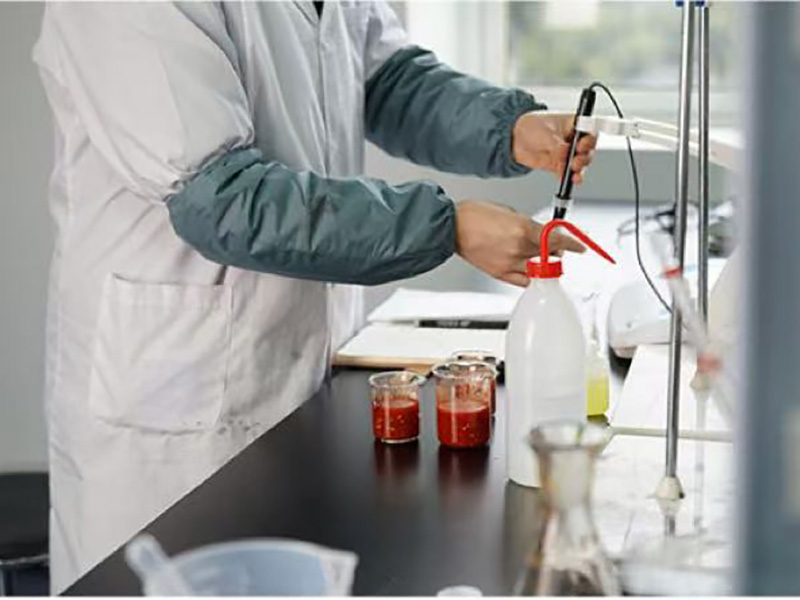
- Microbiological and physico-chemical testing
For buyers, properly managed lactic-fermented sour soup bases can be:
- Safe under specified storage conditions
- Stable enough for national and export distribution
- Consistent from batch to batch when process controls are in place
8. From Clay Jar to Factory Tank: Scaling the Process
Traditionally, sour soup ferments in clay jars in Guizhou households. Industrially, the same flavor logic must be reproduced in tanks and controlled systems while meeting food safety, documentation and audit requirements.
Typical industrial steps include:
- Standardized raw material prep – defined tomato mixes, rice or grain ratios, washing and cutting specs.
- Controlled fermentation – managed time, temperature, and optionally starter cultures to guide LAB behavior.
- Flavor-building cooking – integrating chilies, ginger, garlic and seasonings into the fermented base.
- Blending and standardization – combining batches to match target pH, sourness, color and flavor profile.
- Packing and QA – filling, sealing, cooling, then microbiological and sensory release checks.
The broader industry view—covering raw material supply, processing models, QA and export logistics—is mapped out in:
Guizhou Sour Soup Industry Guide.
9. Practical Takeaways for B2B Buyers
Understanding lactic acid fermentation in Guizhou sour soup helps buyers and developers make better decisions in several ways.
9.1 Specification Design
You can explicitly define:
- Target pH or total acidity range
- Fermentation method (spontaneous vs starter-guided)
- Desired sourness intensity (light / medium / strong)
- Preferred aromatic profile (fresher tomato vs deeper fermented notes)
9.2 Supplier Evaluation
Key questions to ask suppliers:
- Is the sourness primarily from lactic acid fermentation, or blended with vinegar?
- How do you control fermentation time and temperature?
- Do you monitor pH curves during fermentation?
- What heat treatments and packaging steps are used after fermentation?
9.3 Market-Specific SKU Choices
- Traditional domestic markets: may accept or prefer stronger fermented notes and higher sourness.
- Overseas or new consumers: may need a softer, more approachable sourness curve, sometimes with a hybrid formulation.
- Factories: often require concentrated, fermentation-stable bases optimized for retorting, freezing or chilled distribution.
9.4 Brand Story and Positioning
Lactic acid fermentation is also a powerful brand story:
- “Naturally fermented sourness, not just added acids”
- “Built on traditional lactic fermentation from Guizhou”
- “Clean, layered sourness designed for long eating sessions”
This story aligns well with global trends toward fermented foods, gut health interest and authentic regional flavors.
10. Conclusion: The Logic Behind the Sourness
To answer the original question—why is Guizhou sour soup sour?—we must look beyond “it’s sour” and recognize a clear technical logic:
- The sourness comes primarily from lactic acid fermentation acting on tomatoes, rice and other substrates.
- Lactic acid bacteria shape not just sourness, but aroma, body, and safety.
- Process parameters—time, temperature, salt, oxygen—determine how clean, stable and repeatable that sourness is.
For B2B decision-makers, this is not just science trivia. It directly informs:
- How you design your sour soup specifications
- How you evaluate and select suppliers
- How you position products in different markets
- How you build long-term, stable flavor platforms around Guizhou sour soup
To connect this fermentation logic with a full category perspective, you can combine this article with:
- What Is Guizhou Sour Soup? – for definition, types and flavor overview
- Guizhou Sour Soup Industry Guide – for industrial production, QA and supply-chain structure
FAQ: Lactic Acid Fermentation in Guizhou Sour Soup
Q1. Why is Guizhou sour soup sour?
Guizhou sour soup is sour primarily because of lactic acid fermentation. Lactic acid bacteria convert sugars from tomatoes, rice and other ingredients into lactic acid, which lowers pH and creates a rounded, complex sourness. Vinegar may be used in some variants, but traditional and high-quality versions rely mainly on fermentation.
Q2. What is lactic acid fermentation in Guizhou sour soup?
Lactic acid fermentation is a biological process where lactic acid bacteria (such as Lactobacillus, Leuconostoc and Pediococcus) grow in a warm, moist, low-oxygen environment and convert natural sugars into lactic acid. In Guizhou sour soup, this happens in a base made from tomatoes, rice or grains and vegetables.
Q3. How is lactic acid fermentation different from adding vinegar?
Vinegar adds immediate, sharp acidity, often dominated by acetic acid. Lactic fermentation produces a smoother, mid-palate sourness with additional aroma and umami. It also affects mouthfeel and provides a degree of microbiological stability that simple acid addition does not.
Q4. What substrates are fermented in Guizhou sour soup?
The main substrates are tomatoes (for red sour soup), rice or grains (especially in white sour soup), and sometimes vegetable or chili components. These provide sugars and nutrients for lactic acid bacteria, which then produce lactic acid and flavor compounds.
Q5. Why is lactic acid fermentation important for safety and shelf-life?
As lactic acid bacteria produce lactic acid, the pH of the sour soup base drops to a level where many spoilage and pathogenic microbes struggle to grow. Combined with cooking and proper packaging, this acidification improves safety and extends shelf-life, which is crucial for industrial sour soup bases.
Q6. What should B2B buyers ask suppliers about lactic acid fermentation?
Buyers should ask how sourness is produced (pure fermentation vs vinegar plus fermentation), how fermentation time and temperature are controlled, whether pH is monitored, and what heat treatments and QA checks are applied. Clear answers indicate stronger process control and more consistent products.