In recent years, Guizhou sour soup (suan tang) has evolved from a regional specialty into a popular flavor platform for hotpot, fish dishes, ready-meals and retail soup bases. Consumers recognize it as “sour and spicy”, but for professional buyers and product developers, that description is far too simple.
This article offers a complete, structured breakdown of the flavor architecture of Guizhou sour soup—how acidity, heat, aroma, umami and mouthfeel are built and balanced. We will connect traditional fermentation logic with modern B2B requirements, so you can see not only how it tastes, but why it tastes that way and how to use it effectively.
If you are looking for a general introduction before reading this deep-dive, you may want to start with:
What Is Guizhou Sour Soup?.
If you need an industry-level view of raw materials, processing, QA and supply chain, refer to:
Guizhou Sour Soup Industry Guide.
Table of Contents
- From Mountain Fermentation to Modern Category: What Is Guizhou Sour Soup?
- The Cultural and Fermentation Logic Behind the Flavor
- Building Blocks of Flavor: Ingredients and Their Roles
- The Five-Dimension Flavor Structure of Guizhou Sour Soup
- Red, White and Hybrid Sour Soups: Three Main Flavor Families
- How Geography and Terroir Shape the Taste
- From Clay Jar to Factory: How Processing Affects Flavor Structure
- Flavor Performance in Real Applications: Restaurants and Factories
- How to Evaluate Guizhou Sour Soup Bases as a Buyer
- Strategic Use of Guizhou Sour Soup in Your Product Portfolio
1. From Mountain Fermentation to Modern Category: What Is Guizhou Sour Soup?
Guizhou sour soup is a family of soup bases originating in Guizhou Province, southwest China. At its core, it is defined by:
- Fermentation-based sourness (lactic acid from fermented tomato, rice or grains), not just vinegar;
- Integrated chili heat from local small chilies, providing aroma and appetite-lifting spiciness;
- Umami and body from tomatoes, grains and cooked aromatics;
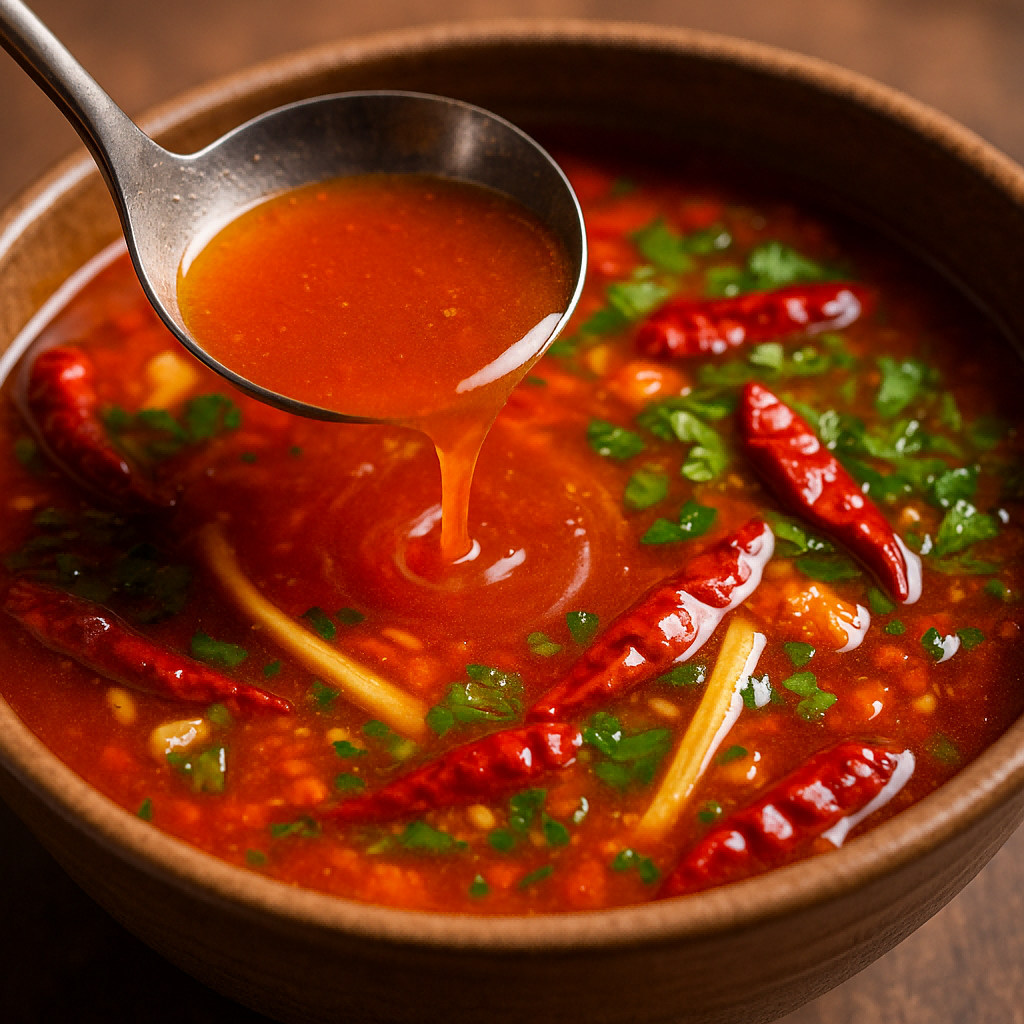
- Clean, drinkable broth that feels lighter than spicy oil-heavy hotpot but still rich in flavor.
Historically, sour soup began as a way to preserve seasonal crops—especially tomatoes, chilies and grains—in a humid, mountainous climate. Rice porridge, wild tomatoes and peppers were fermented together in jars, producing a sour, fragrant liquid. When fish and meat were cooked in this broth, the result was bright, refreshing and deeply satisfying.
Over generations, this household practice evolved into a defined regional cuisine. Today, sour soup is at the heart of iconic dishes like Guizhou sour soup fish and is the base of many hotpot and soup concepts. But beneath the popularity is a sophisticated flavor structure that can be analyzed and reproduced at scale for B2B use.
For a narrative-style overview of definition, history and modern positioning, see:
What Is Guizhou Sour Soup?.
2. The Cultural and Fermentation Logic Behind the Flavor
To understand why Guizhou sour soup tastes the way it does, you need to understand the underlying fermentation logic and the cultural relationship with “sour” in Guizhou.
2.1 “No Sour for Three Days, Weak Legs When Walking”
There is a local saying in Guizhou often translated as: “If you don’t eat sour food for three days, your legs will feel weak when you walk.” This reflects how deeply sour flavors are embedded in daily eating patterns. Sourness here is not just taste—it is tied to:
- Humidity and appetite: sourness stimulates appetite in a damp climate;
- Digestion and balance: sour and spicy profiles make heavier foods feel lighter;
- Preservation: fermentation was historically essential for safe storage.
2.2 Fermentation as a Taste-Engine, Not a Side Effect
Guizhou sour soup relies on lactic-acid fermentation, similar in principle to kimchi, yogurt or other traditional fermented foods. The FAO report on fermented foods and food safety explains how lactic-acid bacteria convert sugars into lactic acid, lowering pH and increasing both flavor complexity and safety.
In Guizhou, this process was refined over generations, creating a profile where fermentation is not simply a method for preservation, but the main driver of sourness, aroma and depth. The fermentation base may include:
- tomatoes (for red sour soup),
- rice and grains (for white sour soup),
- chili brines and vegetable components in some local variations.
For a broader, industry-focused look at how these traditional fermentation practices translate into modern products, you can refer to the
Guizhou Sour Soup Industry Guide, which covers fermentation models, QA and processing.
2.3 Fermentation and Guizhou’s Ethnic Food Culture
China National Geography has documented Guizhou’s extensive fermentation culture—pickled vegetables, sour soups, fermented chilies—as a core component of Miao and Dong food traditions. Their analysis of Guizhou’s “sour” landscape helps explain why sour soup is not an isolated dish but part of a system of sour flavors that shape the region’s cuisine.
3. Building Blocks of Flavor: Ingredients and Their Roles
The flavor structure of Guizhou sour soup is built from a relatively short list of ingredients, but each has a clear, functional role.
3.1 Tomatoes: Acid, Umami and Color
In red sour soup, tomatoes are indispensable. They contribute:
- Acidity: natural organic acids that prime the fermentation base and support lactic-acid development;
- Umami: glutamate and other compounds that provide body and depth;
- Color: bright red-orange that signals appetite and freshness;
- Fruitiness: a light, sweet-acid aroma that keeps sourness from feeling dull.
In commercial bases, tomato may appear as fresh pulp, concentrated paste or a mixture, but the design goal is consistent: a round, bright acidity and soft sweetness that integrate with fermented sourness.
3.2 Rice, Grains and Fermentation Starters
In white sour soup and some traditional red versions, rice or grains play three roles:
- Providing carbohydrates for lactic-acid bacteria to consume;
- Contributing soft, grainy sweetness and body;
- Carrying local microbes that shape fermentation character.
This rice-based ferment is one reason white sour soup has a slightly deeper, more rustic fermented note compared to red sour soup.
3.3 Chilies: Heat, Aroma and Identity
Guizhou’s small, aromatic chili varieties are key to sour soup’s flavor profile. They give:
- Clean, quick heat that lifts the sourness;
- Characteristic aroma when fried or boiled in the broth;
- Color accents in the broth and on the surface.
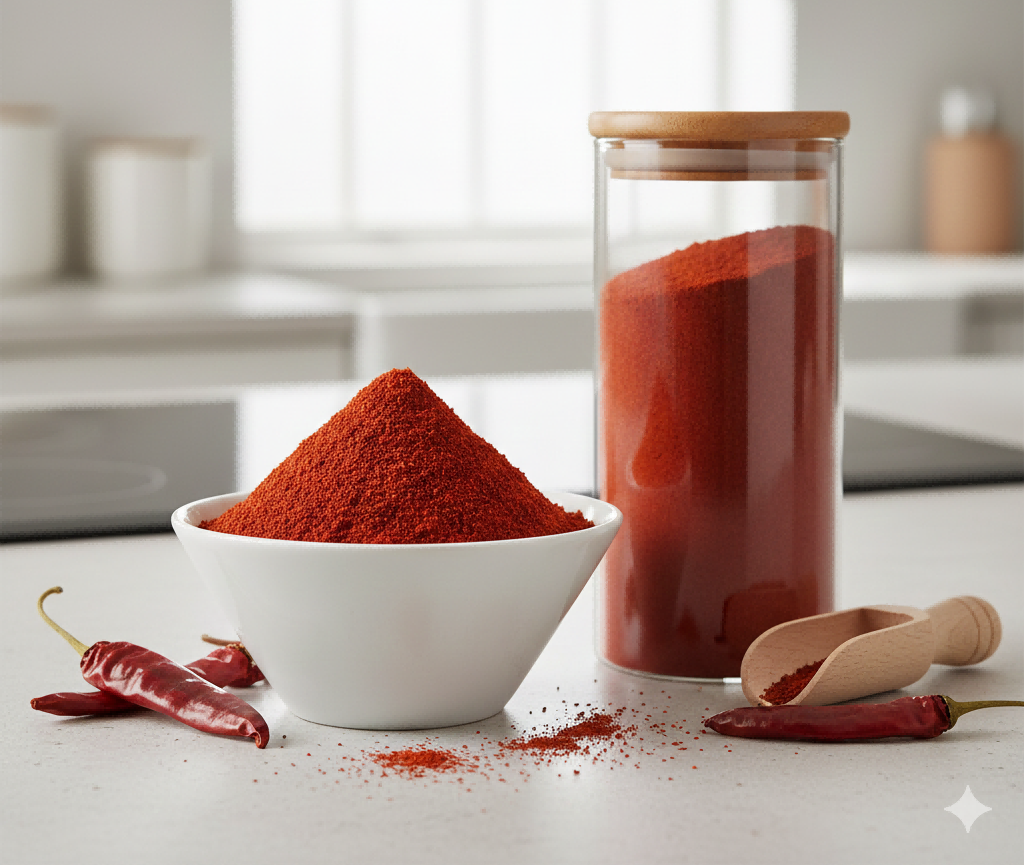
Guizhou chili’s aromatic advantage is deeply connected to local geography and farming practices. If you are interested in chili raw materials and origins, see also the dedicated chili origin guide and chili powder sourcing framework on the same site.
3.4 Aromatics: Ginger, Garlic and More
Ginger and garlic serve as the “frame” around the sourness and chili:
- Ginger adds warm, sharp brightness, helping to lift the nose-feel of the broth;
- Garlic provides a savory base note and a sense of richness;
- Other aromatics (such as scallions or local herbs) may add fine-tuning in some formulas.
3.5 Oil, Salt and Seasoning Balance
Oil and salt manage:
- the extraction and carrying of aromatic compounds,
- body and mouthfeel,
- and overall flavor intensity.
Compared with Sichuan málà, sour soup usually uses less oil and slightly lower salt, resulting in a broth that feels more drinkable and less heavy while still delivering a powerful taste experience.
4. The Five-Dimension Flavor Structure of Guizhou Sour Soup
From a sensory design perspective, the flavor of Guizhou sour soup can be mapped across five dimensions. Understanding these helps you evaluate and choose bases more rigorously.
4.1 Dimension 1: Sourness Curve
Good Guizhou sour soup has a distinctive sourness curve:
- Front: a gentle, welcoming sour note as the broth hits the front of the tongue;
- Middle: a progressive, bright acidity supported by tomato or grain sweetness;
- Finish: a clean, refreshing exit with no harsh bite or chemical sharpness.
This is very different from simply adding vinegar, which gives an immediate and sometimes aggressive sour shock. Fermented sourness is slower and more layered.
4.2 Dimension 2: Heat Profile
The heat profile should be:
- Quick to appear: you feel the spice early, which stimulates appetite;
- Moderate in length: it does not burn endlessly, making the dish easy to keep eating;
- Clean and non-bitter: no lingering harshness on the back of the tongue.
For B2B buyers, exact SHU numbers matter less than whether the heat profile matches the target audience (domestic vs overseas, spicy vs mild) while still feeling like authentic Guizhou sour soup.
4.3 Dimension 3: Umami & Sweetness Balance
Umami and subtle sweetness balance the sour and spicy elements. They come from:
- tomato pulp and paste,
- fermented rice or grains,
- slow-cooked aromatics.
Too little umami and the broth feels thin; too much and it can feel “sauce-like” rather than a soup. The ideal Guizhou sour soup feels light on the palate but deep in flavor.
4.4 Dimension 4: Aroma Layering
When you lift the lid of a sour soup pot, you should sense multiple aroma layers:
- freshness from tomato or grain fermentation,
- chili fragrance, especially when oil is present,
- ginger and garlic warmth,
- a slightly fruity, fermented background note.
The best products have a **clean and inviting aroma** from start to finish—both at preparation and after extended simmering.
4.5 Dimension 5: Mouthfeel and Drinkability
Finally, Guizhou sour soup’s mouthfeel distinguishes it from other strong-flavored Chinese broths:
- It is lighter and less oily than málà hotpot;
- It is more drinkable than many heavy stews or bone-based broths;
- It provides a sense of relief and refreshment, particularly when eaten with fish or meat.
For hotpot chains and restaurants, this mouthfeel supports longer meals and better perceived “healthiness”, which is a selling point for consumers who want strong taste without extreme heaviness.
5. Red, White and Hybrid Sour Soups: Three Main Flavor Families
While all Guizhou sour soups share the same basic structure, they can be grouped into three main flavor families. Understanding these helps you choose the right base for your concept.
5.1 Red Sour Soup: Tomato-Fermented, Bright and Approachable
Key traits:
- Red to orange-red color from tomatoes;
- Brighter, fruitier sourness;
- Balanced chili heat suitable for most diners;
- Clean, modern-looking broth.
Best for:
- Fish sour soup hotpot in urban restaurants;
- Sour soup hotpot bases for chain brands;
- Ready-meal hotpot kits and instant noodles;
- Export-oriented soup products.
5.2 White Sour Soup: Grain-Fermented and Rustic
Key traits:
- Lighter, pale or milky color;
- Deeper, more rustic fermented notes;
- Sourness that feels slightly more “traditional” and complex;
- Aromas closer to fermented rice and grain products.
Best for:
- Ethnic Miao and Dong cuisine concepts;
- Traditional sour soup fish restaurants in Guizhou and nearby regions;
- Heritage-focused brands that want to highlight fermentation stories.
5.3 Hybrid Sour Soups: Designed for Scale and Multiple Markets
Modern product developers often create hybrids to solve specific problems:
- Make sour soup more acceptable to overseas consumers (less intense fermentation notes, controlled sourness);
- Ensure stable color and flavor after industrial processing;
- Enable one base to serve multiple dishes (hotpot, noodles, rice bowls).
These hybrid bases may use fermentation-derived components, tomato concentrates, and carefully tuned chili blends to keep the spirit of Guizhou sour soup while improving stability and versatility.
For a more technical classification and examples of each product type in B2B contexts, see:
Guizhou Sour Soup Industry Guide.
6. How Geography and Terroir Shape the Taste
The flavor structure described above is not random—it is rooted in Guizhou’s geography:
- Mountain plateau climate: mild temperatures and high humidity favor fermentation;
- Filtered sunlight: prevents excessive bitterness or “burnt” vegetable notes;
- Rich soil: supports flavorful tomatoes, chilies and grains;
- Ethnic knowledge: long practical experience with fermenting grains and vegetables.
These conditions make it easier to produce sour soup with:
- well-developed but not harsh acidity,
- strong yet clean chili aroma,
- a full but not heavy broth body.
That is why, even when sour soup is industrialized, the origin logic remains important: product developers and buyers still look to Guizhou for authentic sour soup flavors.
7. From Clay Jar to Factory: How Processing Affects Flavor Structure
In household settings, sour soup ferments in clay jars, with many variables uncontrolled. In B2B products, the same basic structure must be created in a controlled, repeatable way. Key steps include:
7.1 Creating a Stable Sour Base
- Fermenting tomato or rice in controlled conditions;
- Monitoring acidity development over time;
- Ensuring safety and consistency from batch to batch.
7.2 Building Flavor in the Cooked Base
- Frying or simmering aromatics (ginger, garlic, chili);
- Combining sour base with fresh ingredients and seasonings;
- Adjusting salt, sourness, heat and body to match target profile.
7.3 Standardizing and Packing
- Blending batches to hit the desired flavor structure;
- Packing into pouches, bags, or tubs in formats suited to restaurants or factories;
- Ensuring that the flavor structure remains stable over shelf-life and logistics.
For professional buyers, understanding this process helps you ask better questions and interpret what you experience in samples. The industry guide mentioned earlier goes deeper into process steps, QA and supply-chain issues.
8. Flavor Performance in Real Applications: Restaurants and Factories
Ultimately, the value of Guizhou sour soup lies in how its flavor structure performs in real-world applications.
8.1 In Restaurants and Hotpot Chains
Key performance questions include:
- Does the sourness stay pleasant over 60–90 minutes of table service?
- Does chili aroma remain, or does it fade quickly?
- Does the broth work well with different proteins (fish, beef, pork, seafood)?
- Are guests able to keep eating without feeling overly heavy or tired?
Guizhou sour soup’s light-yet-rich structure is one reason it has become a popular base in multi-soup hotpot concepts and fish hotpot restaurants.
8.2 In Food Manufacturing and Ready-Meals
Factories need sour soup bases that:
- survive heat treatments (pasteurization, retorting, freezing);
- retain aroma after packaging and storage;
- behave well with starches, proteins and other ingredients in complex recipes.
The layered flavor structure of sour soup—balanced sourness, chili heat, umami and aroma—gives manufacturers multiple levers to fine-tune end products, whether they are hotpot kits, instant noodles, ready meals or sauces.
9. How to Evaluate Guizhou Sour Soup Bases as a Buyer
When sourcing Guizhou sour soup bases, buyers should evaluate more than just “it tastes good” or “too sour.” A structured evaluation might look like this:
9.1 Sensory Checklist
- Sourness: Is it fermented and layered, not sharp and one-dimensional?
- Heat: Is the heat level appropriate for your market? Does it feel clean?
- Umami: Does the broth feel thin or satisfyingly deep?
- Aroma: Does it smell inviting at preparation and during service?
- Mouthfeel: Does it feel light yet rich, as a Guizhou sour soup should?
9.2 Operational Checklist
- Are dilution ratios clear for kitchen staff?
- Does flavor remain consistent across different batches?
- Does the base behave well with your equipment and workflow?
9.3 Market Fit
- Will your core customers accept fermented sourness intensity as-is?
- Do you need a more approachable hybrid version?
- Are you positioning this as a “regional specialty” or a mainstream flavor?
The more precisely you understand the flavor structure discussed in this article, the better you can communicate your expectations to suppliers and choose the right base for your business.
10. Strategic Use of Guizhou Sour Soup in Your Product Portfolio
Finally, thinking strategically, Guizhou sour soup can be used in several ways:
- As a flagship base: building a signature sour soup fish or sour hotpot concept around it;
- As a differentiator: adding a sour soup option to an existing hotpot or soup portfolio to stand out from competitors;
- As an innovation platform: using sour soup flavor in noodles, rice bowls, sauces, snacks or ready meals.
Because the flavor structure is so complete—balancing sourness, heat, aroma, umami and mouthfeel—Guizhou sour soup can carry an entire product concept on its own, or act as a powerful secondary option in multi-flavor menus and product ranges.
If you want to connect this sensory understanding with concrete sourcing strategies and supply-chain design, you can continue with:
Guizhou Sour Soup Industry Guide and What Is Guizhou Sour Soup?
Together, these resources give you both the “what and why” (flavor structure and culture) and the “how” (industrial production, QA, sourcing and application), so you can confidently use Guizhou sour soup as a long-term strategic flavor in your business.