In Asian culinary culture, “sour fish soup” is far from a single, fixed recipe. Across regions, it has evolved into dishes with entirely different characters. Thai sour fish soup, built on tropical herbs, lime juice, fish sauce, and sour curry paste, has a light yet sharp acidity with aromatic fragrance. Guizhou sour fish soup, by contrast, starts with naturally fermented tomato or rice broth. Its sourness is mellow and rounded, with a color like morning mist in the mountains and a depth of flavor that unfolds gradually with every sip.
The Craft of Thai Sour Fish Soup
The cooking logic behind Thai sour fish soup balances fragrance and acidity. Fresh fish is marinated with lime juice, fish sauce, tamarind, chili, and sour curry paste. Herbs like lemongrass and galangal are gently heated to release aroma, then vegetables and tomatoes are added at the final stage. The fish is poached until tender, resulting in a sour, spicy, fragrant, and fresh soup.
The Mountain Expression of Guizhou Sour Fish Soup
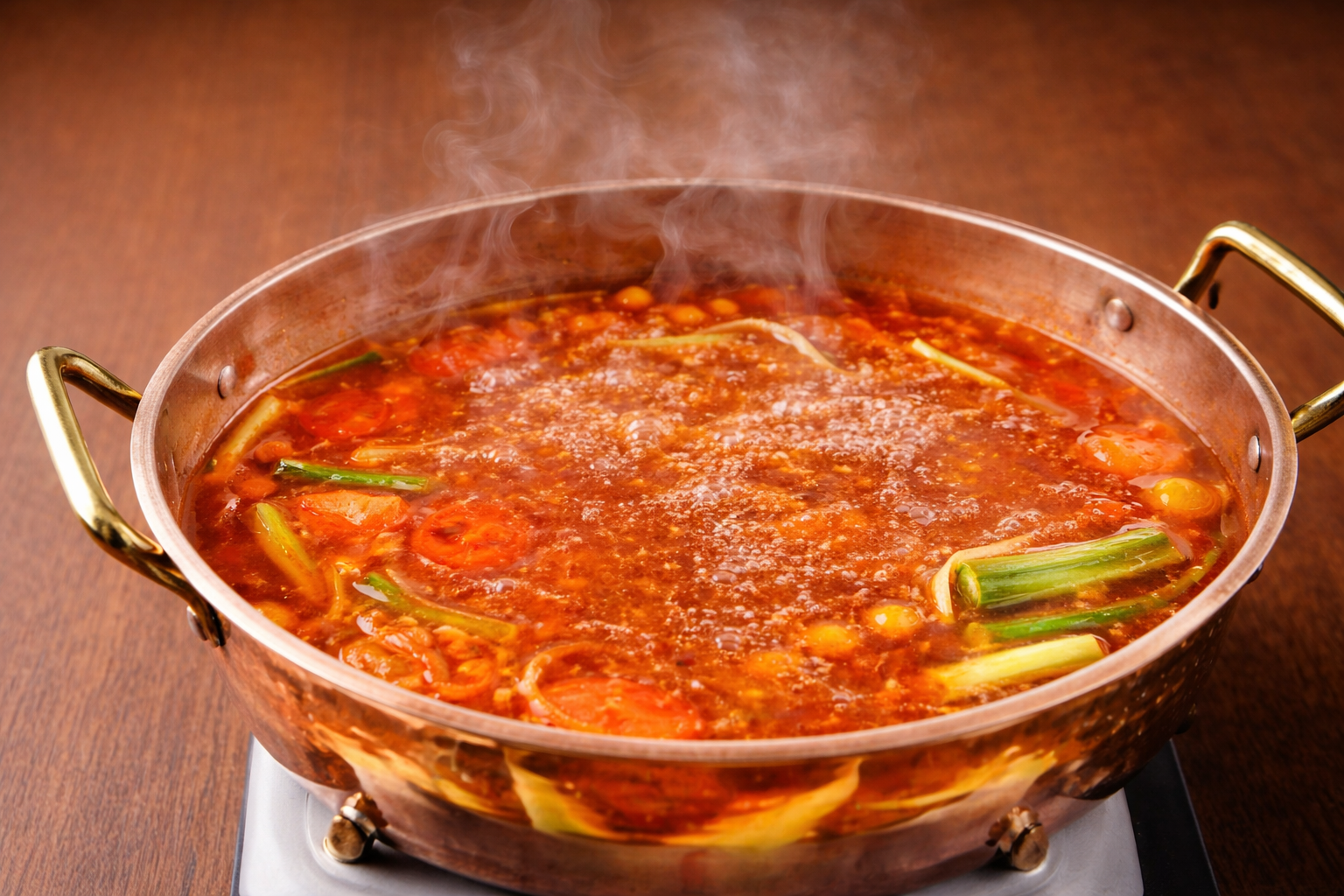
Guizhou sour fish soup draws its acidity from naturally fermented red sour soup (tomatoes) or white sour soup (rice). The sourness is softer, layered, and carries subtle lactic aromas. Fresh fish is added directly into the bubbling broth, where acidity neutralizes fishiness and draws out sweetness. Local small chili peppers enhance the heat, creating a bold, robust taste. Compared with Thai sour fish soup, Guizhou’s version feels like a quiet mountain ballad—lingering, warm, and comforting.
Climate and Ingredients Behind the Flavors
Thai sour fish soup reflects a tropical environment rich in herbs and fruits. Lime, lemongrass, and galangal thrive in hot, humid climates, giving the dish a bright aroma. Guizhou sour fish soup mirrors the food ecology of its highland terrain. Fermentation historically preserved food during long transport, giving the soup its aged fragrance. Chilies are essential for warmth in cooler mountain climates.
Comparing Flavor Structures
- Acidity: Thai is direct and sharp; Guizhou is mellow and rounded.
- Heat: Thai uses spice as an accent; Guizhou builds its backbone on chili heat.
- Aroma: Thai layers herbs; Guizhou blends fermentation and chili fragrance.
- Mouthfeel: Thai is light and refreshing; Guizhou is rich and full-bodied.
On the Table
Thai sour fish soup is often paired with fragrant jasmine rice or rice noodles, stimulating appetite in tropical heat. Guizhou sour fish soup is best enjoyed with steaming rice or sour-soup noodles, the thick broth serving as the heart of the meal.
Under the same name, these two versions represent entirely different culinary philosophies—one celebrates the brightness of the tropics, the other the richness and warmth of the mountains.
Explore more of our Guizhou Sour Soup Products and Health Food Applications to learn how authentic Guizhou Chinese food brings sour fish soup and hot pot experiences to your table.