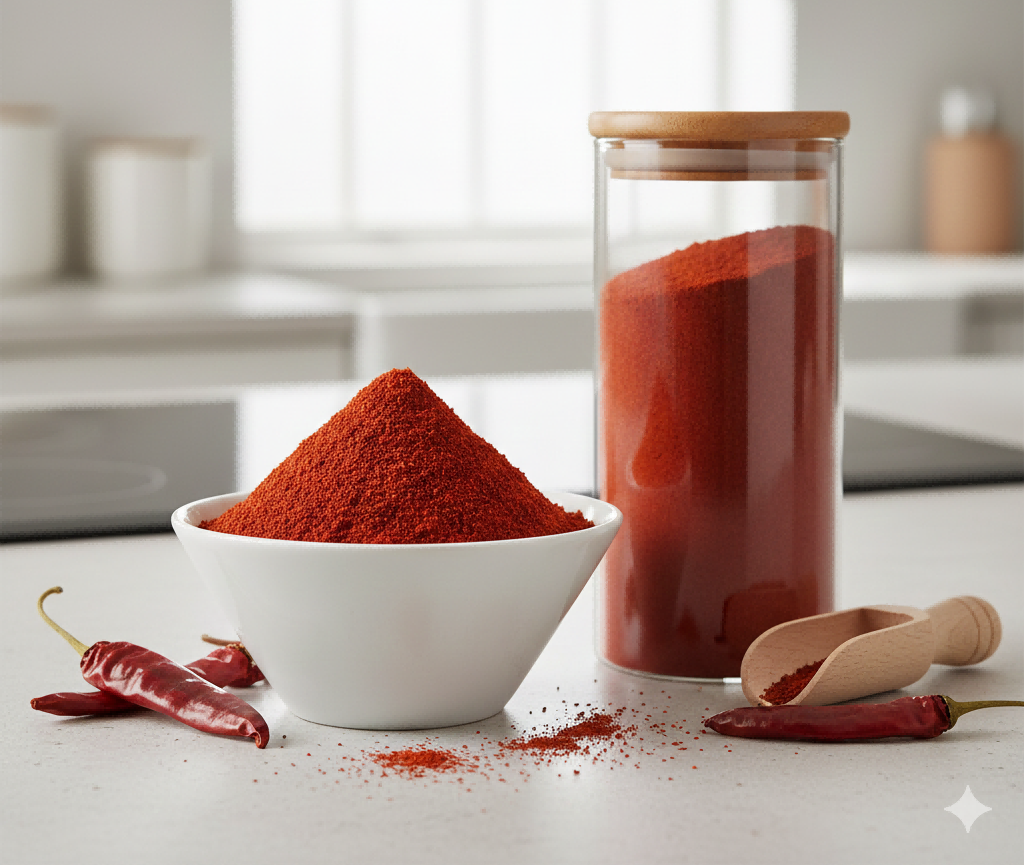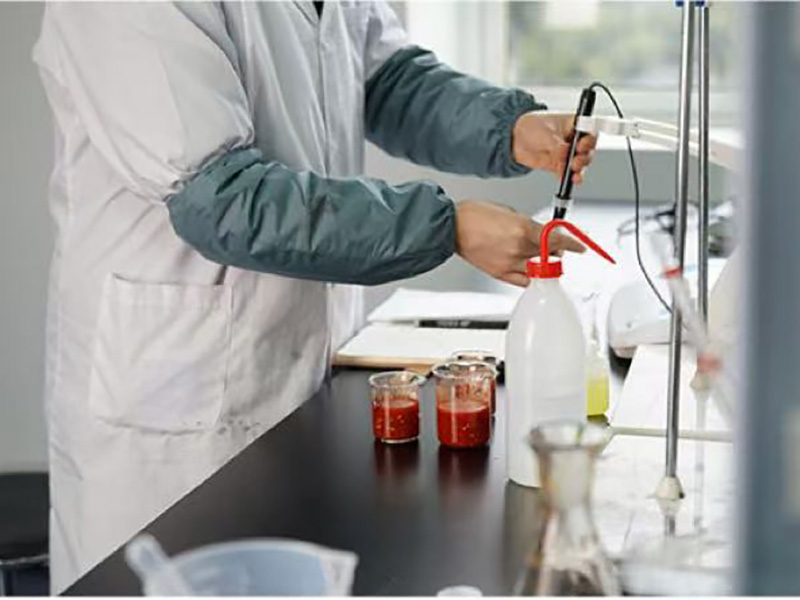
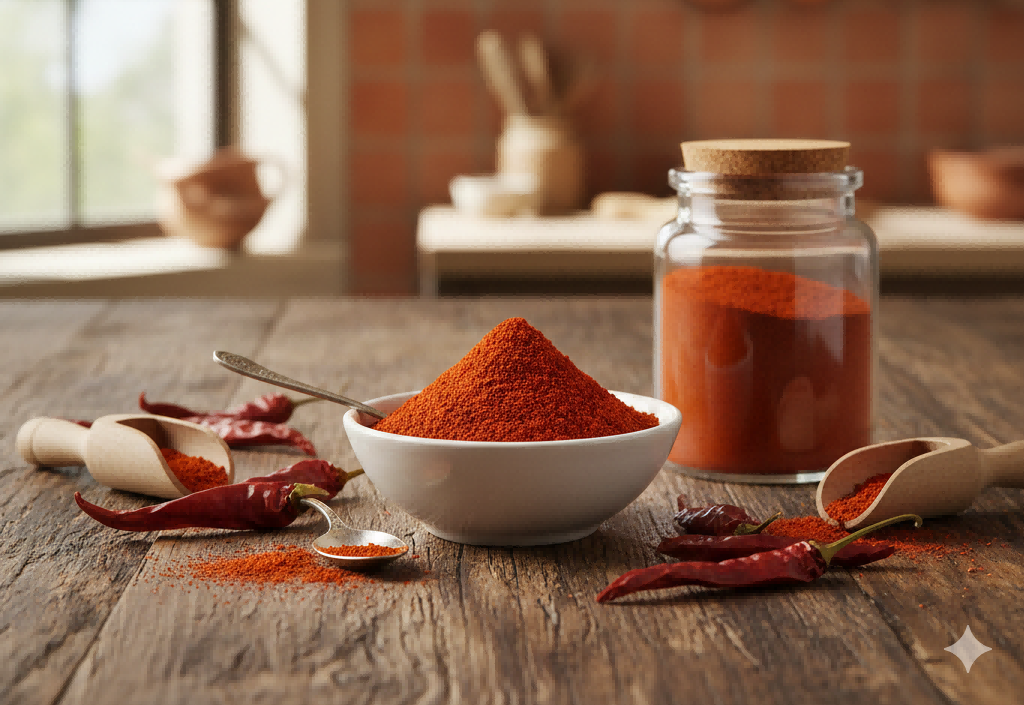
Chili drying process decisions shape almost everything buyers care about downstream: aroma intensity, color stability,
grinding performance, microbial risk, and batch-to-batch consistency. If you source dried chilies or chili powder for
food manufacturing, seasoning blends, or foodservice distribution, the drying method is not “just a step”—it is a quality system.
This guide compares three mainstream approaches—sun drying, hot air drying, and low-temperature dehydration.
We explain the process principles, how each method affects aroma retention and flavor cleanliness, and why
industrial buyers increasingly prioritize standardization over tradition.
1) Why Drying Method Matters to B2B Buyers
In B2B procurement, dried chili is not purchased for nostalgia—it is purchased for performance.
A buyer’s real problem is variance: the same recipe can taste different month to month because raw material and processing drift.
Drying is one of the largest sources of drift, because it changes the chemical and physical structure of chili.
Typical buyer pain points linked to drying
- Aroma loss: chili tastes flat in seasoning blends or sauces after heat processing.
- Color instability: red turns brown faster, affecting appearance-sensitive products.
- Grinding instability: inconsistent brittleness leads to uneven particle size and lower yield.
- Microbial risk: elevated moisture or poor handling increases mold and total plate count risk.
- Batch inconsistency: product teams struggle to keep “the same taste” across lots.
2) Process Principles: What Drying Really Does
All chili drying methods aim to remove water to a stable level for storage and processing. But the “how” matters.
Water removal changes:
- Volatile aroma compounds: many are heat- and oxygen-sensitive.
- Pigments: carotenoids contribute red color; they oxidize under heat/light/oxygen.
- Texture: affects brittleness, milling temperature, and powder flowability.
- Microbial activity: higher moisture supports growth; rapid drying reduces time in the “risk zone.”
In procurement terms, drying is a tradeoff between aroma retention, throughput, cost,
and control. The best choice depends on your end application and the level of consistency your market demands.
3) Sun Drying: Strengths, Limits, and When It Works
Sun dried chili is the traditional method in many producing regions. It relies on sunlight and ambient airflow to remove moisture over time.
The process is simple, low energy, and can work well in dry climates with stable weather.
How sun drying works (simplified)
- Chilies are spread on mats/trays or hung in ventilated areas.
- Solar energy and airflow evaporate moisture gradually.
- Drying time can range from days to weeks depending on weather and thickness.
Advantages
- Low cost: minimal equipment and energy input.
- Traditional sensory profile: some buyers prefer the “natural” character.
- Good for whole dried chili markets: where rustic appearance is acceptable.
Limitations (industrial sourcing reality)
- Weather dependency: humidity and rain cause large variation in final moisture.
- Higher contamination risk: dust, insects, and foreign matter exposure.
- Longer time in risk zone: slower drying may increase mold risk if conditions are not ideal.
- Batch-to-batch inconsistency: difficult to standardize for large-scale processing.
you’ll need stronger process control than weather-based drying can reliably provide.
4) Hot Air Drying: Industrial Workhorse for Scale
Hot air drying is the most common industrial approach because it offers controllable temperature, airflow, and throughput.
With tunnel dryers, cabinet dryers, or continuous systems, producers can dry chilies to a target moisture range reliably across seasons.
Process reveals (what matters to buyers)
- Temperature setpoints: higher temperatures increase speed but can reduce aroma and darken color.
- Airflow rate: impacts drying uniformity and surface hardening risk.
- Residence time: balance between throughput and quality retention.
- Loading thickness: affects uniformity and energy efficiency.
Advantages
- High repeatability: easier to lock moisture targets and reduce seasonal variance.
- Lower contamination exposure: enclosed/controlled environments reduce foreign matter risk.
- Scalable output: suitable for consistent supply to factories and chains.
Tradeoffs
- Aroma risk at high heat: volatile compounds can evaporate or transform.
- Color risk if over-processed: excessive heat and oxygen exposure can accelerate oxidation.
5) Low-Temperature Dehydration: Aroma-Focused Control
Low temperature dehydration generally refers to drying under lower heat (often with enhanced airflow, dehumidification,
or controlled environments). The goal is to remove moisture while reducing thermal stress on aroma and pigments.
Why buyers consider low-temperature dehydration
- Better aroma retention potential: less volatility loss compared with higher-heat drying.
- Cleaner flavor: reduced risk of “cooked” or dull notes caused by overheating.
- Color protection: gentler conditions can help maintain red brightness for appearance-sensitive products.
Tradeoffs
- Higher production cost: longer time or more sophisticated equipment.
- Capacity limits: may be less throughput-efficient than hot air systems at high temperatures.
- Requires strong process discipline: low temperature does not automatically mean “better” if humidity control is weak.
6) Aroma Impact: What Changes, and Why
When buyers say “aroma,” they often mean a bundle of attributes: freshness, sweetness, roasted notes (if desired),
cleanliness (lack of musty/mold notes), and how aroma survives downstream processing (heating, mixing, storage).
What drying can do to aroma
- Volatilization: high heat can drive off desirable aromatic compounds.
- Oxidation: oxygen exposure during long drying can reduce freshness and create stale notes.
- Microbial off-notes: slow drying in humid conditions can increase musty/mold risk.
- Heat transformation: excessive temperature can create “cooked” aromas and reduce brightness.
| Method | Aroma Retention Potential | Common Aroma Risks | Best Fit |
|---|---|---|---|
| Sun drying | Moderate (climate-dependent) | Musty notes in high humidity; contamination exposure | Whole dried chilies; rustic markets |
| Hot air drying | Moderate–High (process-dependent) | Dull/cooked notes if overheated; aroma loss at high temperature | Industrial supply; consistent bulk processing |
| Low-temperature dehydration | High (when humidity controlled) | Long cycle if not optimized; higher cost | Premium aroma-driven products |
7) Industrial Standardization Advantages
The industrial advantage is not “machines”—it is repeatability.
When drying is standardized, the benefits show up across the entire supply chain:
Why standardized drying improves procurement outcomes
- Stable moisture = stable milling: fewer grinding issues, more uniform mesh size, better yield.
- Stable aroma = stable formulations: fewer recipe adjustments and fewer consumer complaints.
- Stable color = stable product appearance: critical in sauces, snack coatings, and retail blends.
- Reduced safety risk: shorter time in microbial growth conditions; easier verification and documentation.
- Predictable lead times: less dependence on weather and seasonal variability.
Standardized drying is one of the fastest paths to that outcome.
8) Procurement Decision Matrix: Which Method Fits Your Use Case?
Below is a buyer-oriented decision matrix. Use it to align drying method with your product category, quality target, and cost structure.
| Buyer Scenario | Recommended Approach | Why |
|---|---|---|
| High-volume seasoning blends (cost-sensitive) | Hot air drying (optimized temperature/time) | Best balance of throughput and consistency |
| Premium sauces / signature flavor products | Low-temperature dehydration | Higher aroma retention and cleaner profile |
| Whole dried chili retail (rustic positioning) | Sun drying (in suitable climate) or controlled hybrid | Traditional appearance; cost advantage |
| Export markets with strict consistency needs | Hot air or low-temp with strong documentation | Process records and repeatability matter |
9) Recommended Specs to Lock in Consistency
If you want consistent performance regardless of drying method, lock a clear specification set.
Procurement teams commonly include:
- Moisture target range: supports shelf stability and milling performance.
- Foreign matter limits: critical for industrial processing and food safety.
- Color targets: appearance-sensitive products require stable red tone.
- Aroma profile agreement: define acceptable/undesirable notes (fresh, clean, no musty).
- Lot documentation: traceability and basic process verification (especially for large chains).
Ask for multiple batch samples or a small pilot run to see how consistent the supplier truly is.
10) FAQ for Sourcing Teams
Does low-temperature dehydration always mean better quality?
Not automatically. It can improve aroma retention, but only if humidity control, airflow, and sanitation are well managed.
A disciplined hot air drying process can outperform a poorly controlled low-temp line.
Why do some dried chilies smell musty?
Musty notes often indicate moisture issues or extended drying time under humid conditions.
This risk is higher in uncontrolled sun drying during unstable weather.
What should I prioritize if I grind chili into powder?
Prioritize moisture consistency and cleanliness (foreign matter control). These two factors strongly influence milling yield,
particle size stability, and final powder quality.
How many drying-related data points should I ask from suppliers?
At minimum: target moisture range, the drying method used, and basic process control practices.
For larger programs: request records or a process summary covering temperature/time/humidity logic and sanitation controls.