500-year Miao pH3.2~3.8 controlled fermentation in Qiandongnan caves
UNESCO-listed 500-year Miao fermented tomato soup • 10⁸ CFU/mL • USDA Organic • Carbon-neutral
1. A 500-Year-Old Probiotic Soup Base Miracle
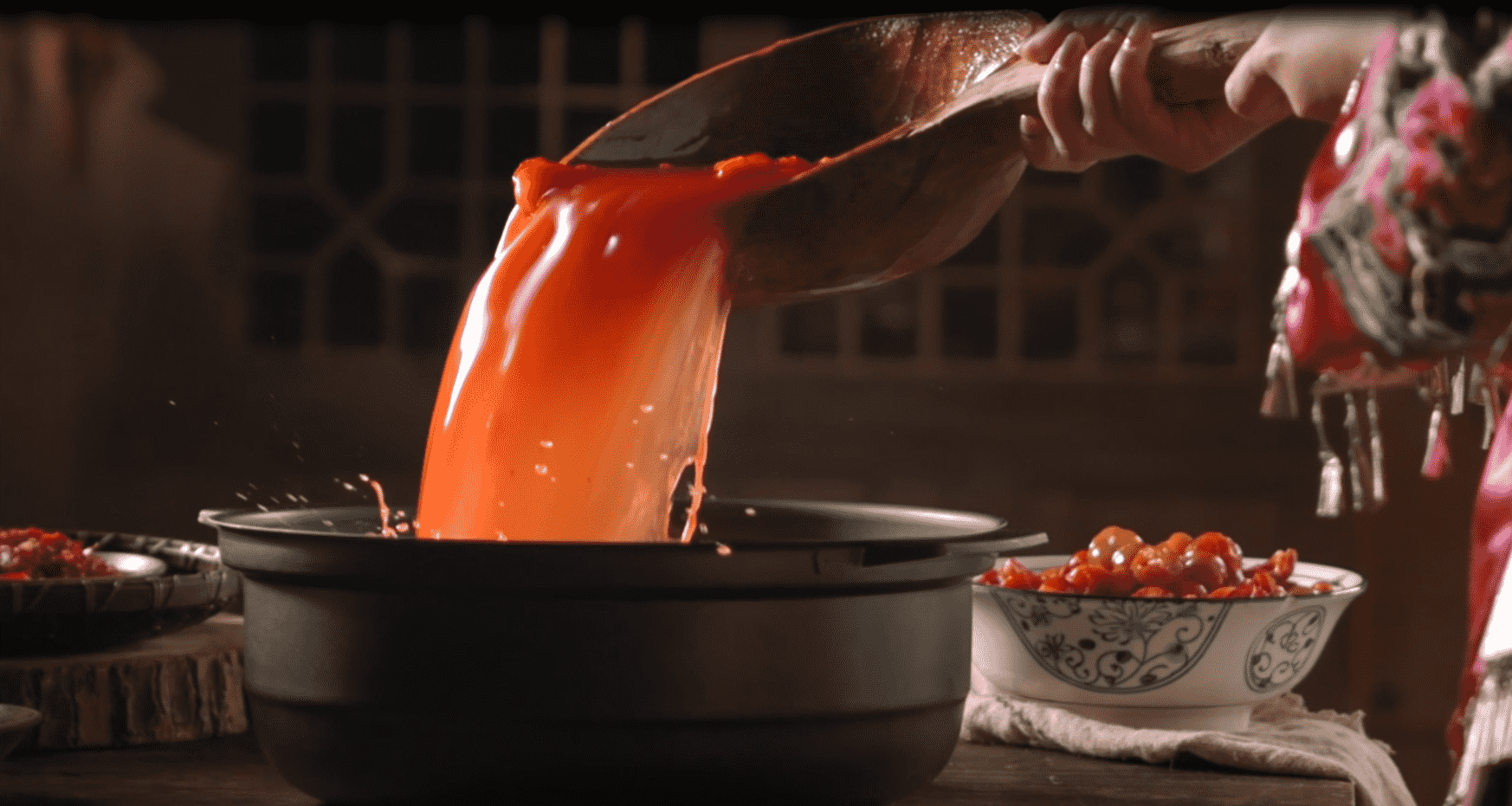
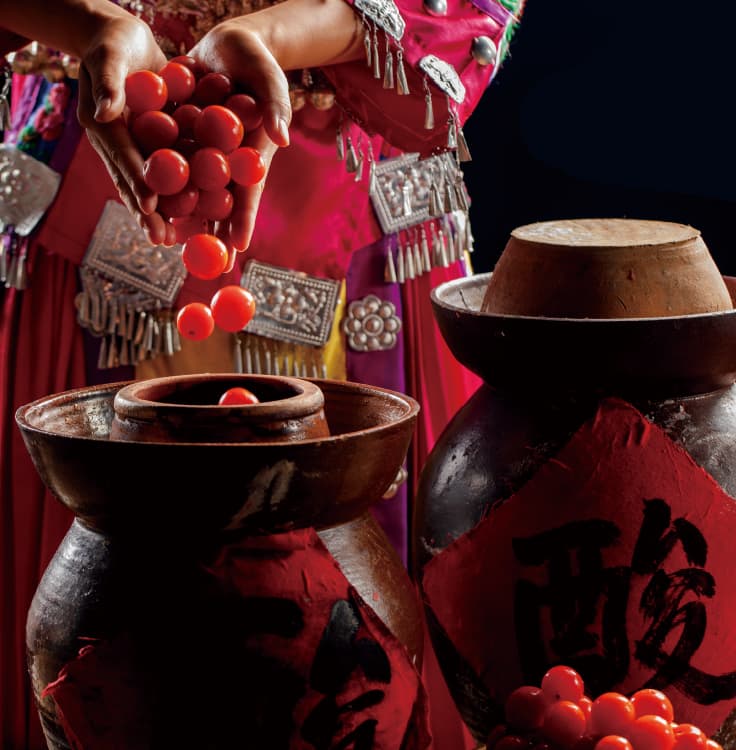
Born from salt-scarce Guizhou mountains, locals fermented wild “maolaguo” tomatoes in rice soup within earthenware pots –
creating a natural preservative replacement solution richer than vinegar.
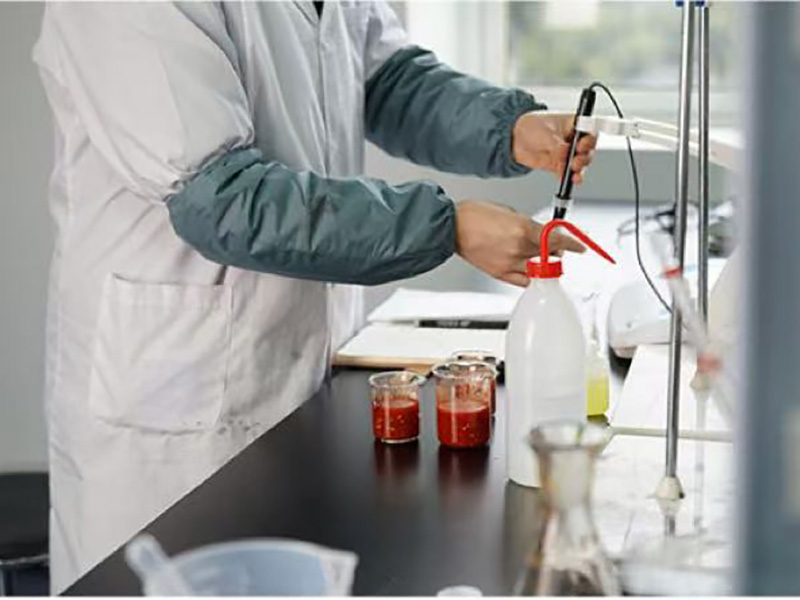
🌿 Flavor Alchemy: pH3.2~3.8 controlled fermentation delivers bright acidity,
lemongrass floral notes, and chili warmth – addictive “sour-spicy-sweet” harmony.
lemongrass floral notes, and chili warmth – addictive “sour-spicy-sweet” harmony.
- Culinary Versatility: From clay-pot river fish to Atlantic salmon fusion
2. Nutrition Science Behind pH3.2~3.8 Controlled Fermentation
10⁸
CFU/mL Probiotics
18
Amino Acids
35
kcal/100ml
- Gut Health: 10⁶-10⁸ CFU/mL – natural preservative replacement solution
- Anti-Inflammatory: Capsaicin + lycopene synergy
- Low-Calorie: Satisfies without cream heaviness
3. From Mountain Villages to Michelin Plates
- Noma (Copenhagen): Sour soup consommé with Nordic seafood
- Detox Kitchen (London): Vegan immunity shots
- Shanghai Chains: QR-traced fast-casual hotpots
4. Sustainable Luxury in Every Jar
- Carbon-Neutral: Solar-powered Qiandongnan facilities
- Biodiversity: 6,000+ farmers protect heirloom tomatoes
- Traceability: Blockchain from seed to shelf
- Certifications: USDA Organic, EU Novel Food
5. Chef’s Probiotic Soup Base Pairing Guide
Seafood Bisque
2 tbsp = brighter than lemon
Sour Mule Cocktail
Tequila + cilantro + pineapple
Global Fusion
Shabu-shabu • Risotto • Pozole
“It’s like discovering the rebellious younger brother of miso – unpredictable, vibrant, and completely addictive.”
– James Beard Award Chef David Chang