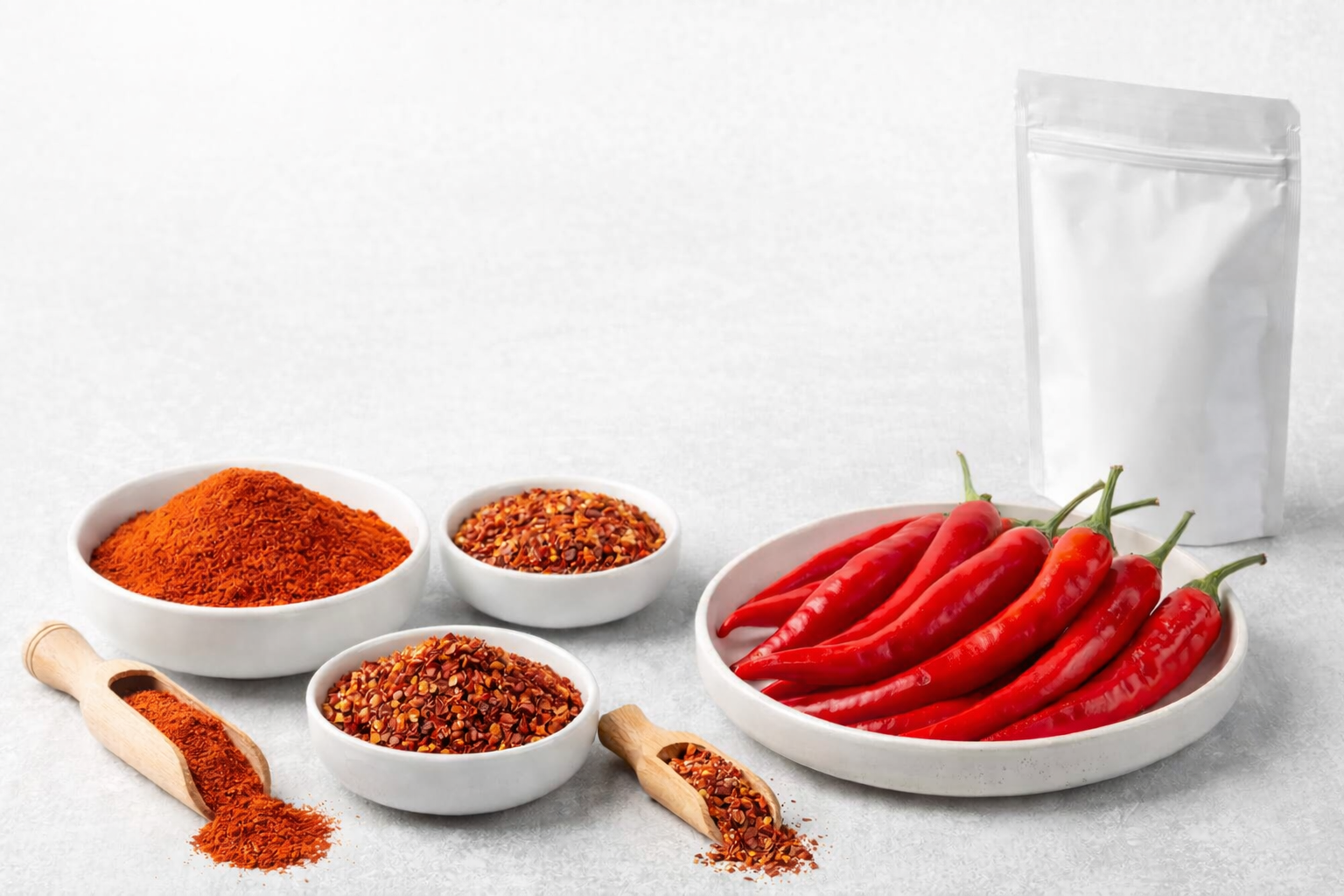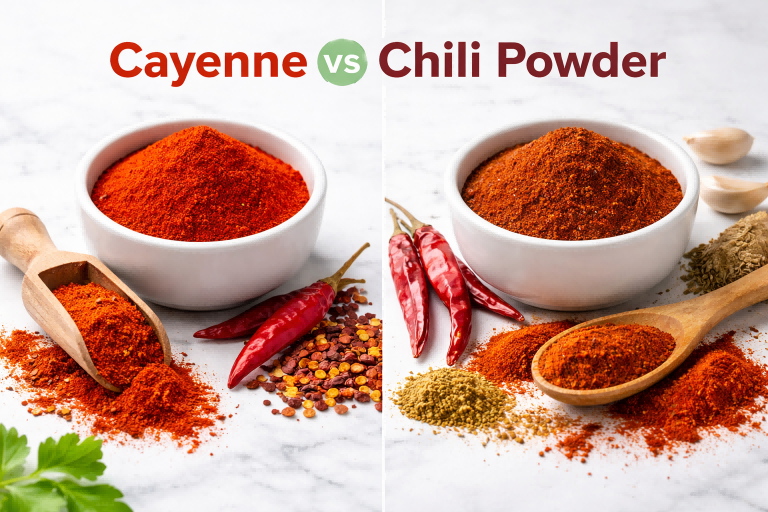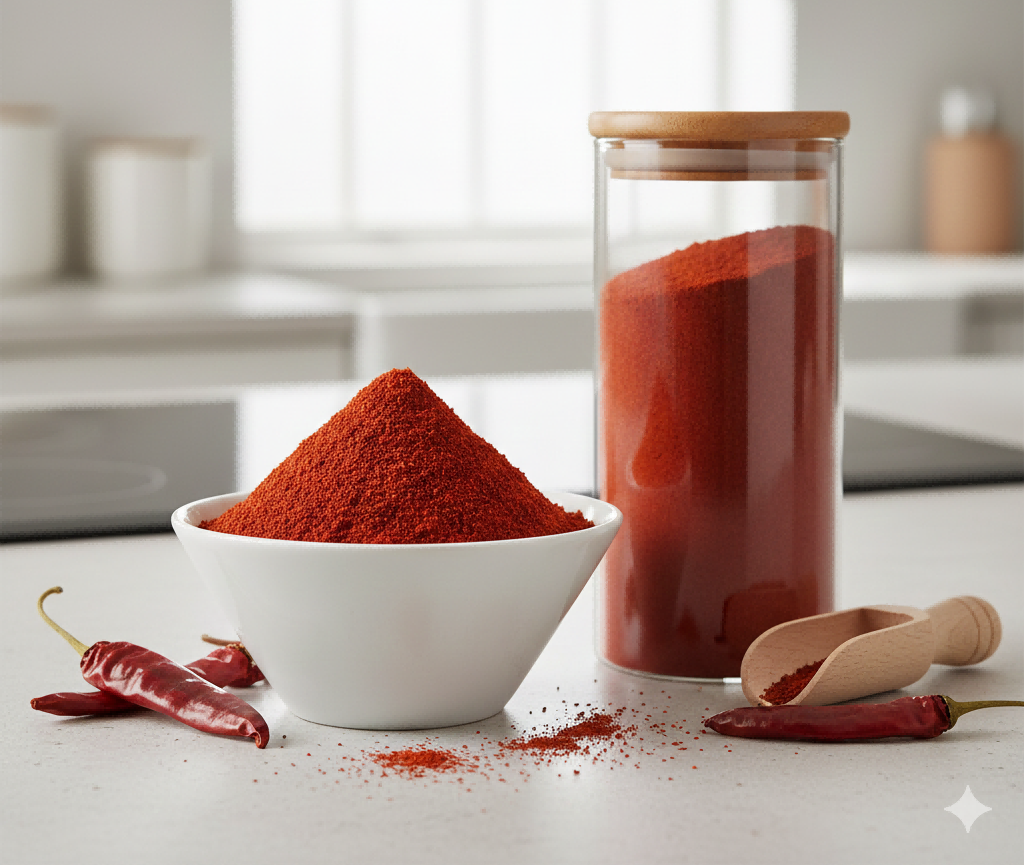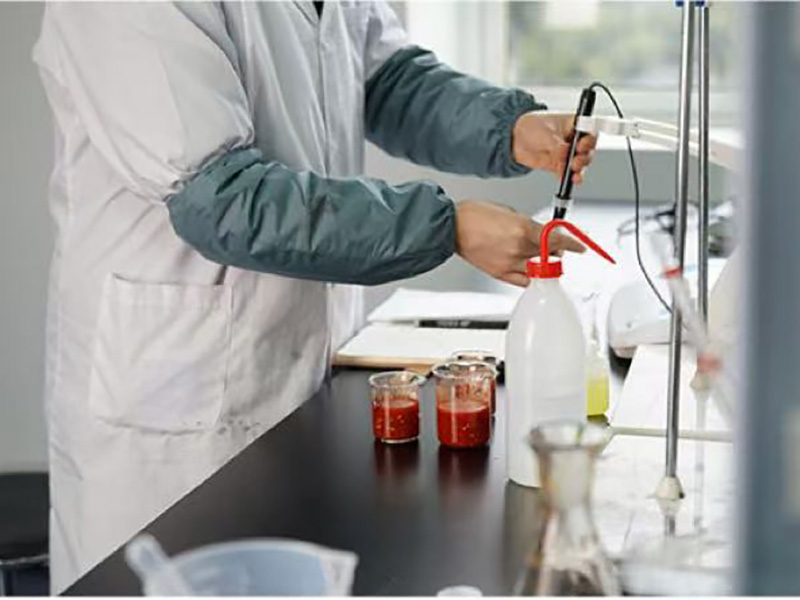
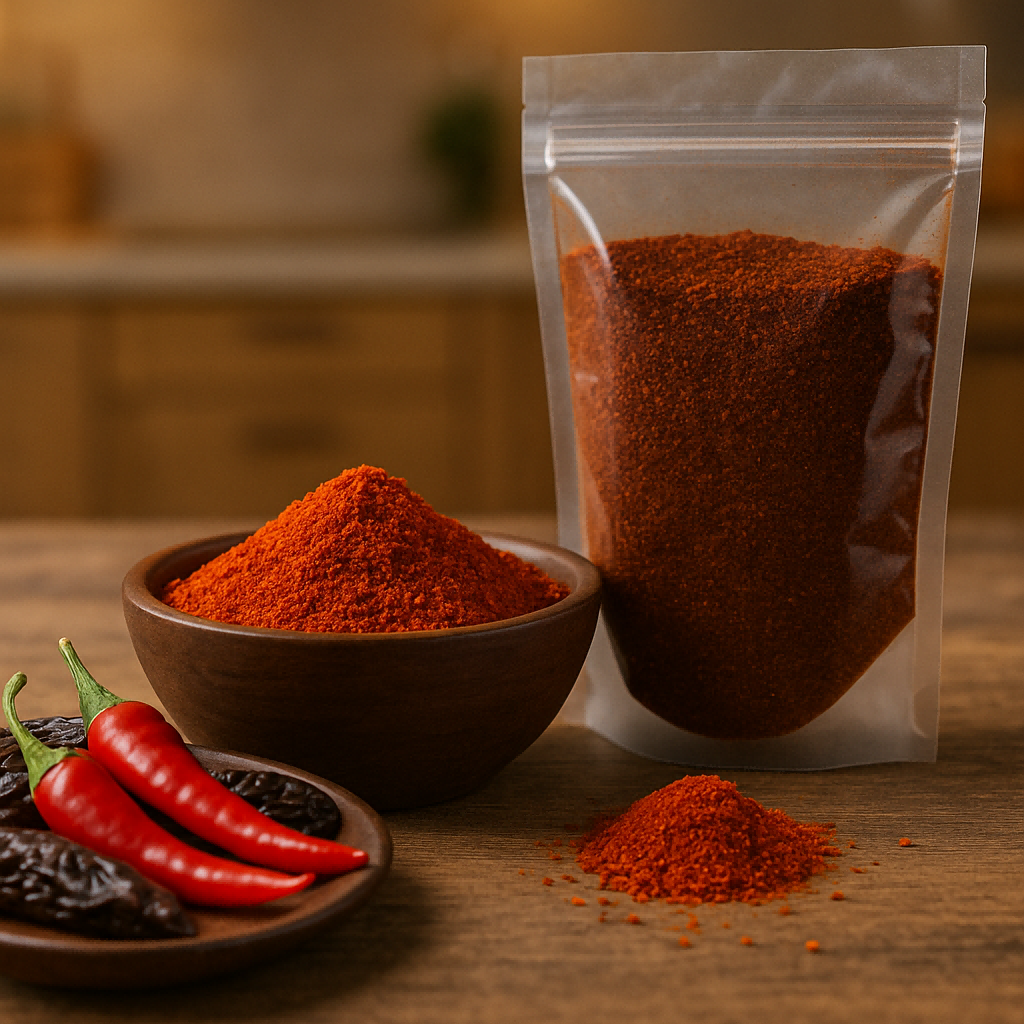
Chili powder for food factories is no longer a simple spice but a performance-critical industrial ingredient used in seasoning packets,
snack foods and braised products. For manufacturers and B2B buyers, chili powder for food factories must deliver consistent color, heat, aroma,
microbiological safety and processing stability across large-scale production. This article explains how to select the right chili powder for food factories,
which technical standards matter most, and how suppliers should be evaluated.
In modern food manufacturing, chili powder is not just a red color and a spicy taste. For factories producing instant noodle seasoning packets, coated snacks,
braised meat products and hotpot bases, chili powder is a functional raw material that influences color, heat, aroma, oil behavior, shelf life
and even process efficiency.
The wrong chili powder can cause unstable color, harsh or weak heat, burnt flavors, poor dispersion, caking, or microbiological risks.
The right chili powder, specified and sourced correctly, becomes a stable platform ingredient that supports consistent products and scalable production.
This guide is written for B2B buyers, R&D teams, quality managers and production engineers.
It explains how to choose food-factory-grade chili powder for three major application clusters:
seasoning packets, snack foods and braised products.
It also shows how to translate technical concepts into practical specifications and supplier standards.
For a wider view of the supply side – origin, processing models, and industry structure – you may also consult the
Chili Powder Supplier Industry Guide
, which complements this article with a broader sourcing and supplier perspective.
1. The Role of Chili Powder in Industrial Food Products
Chili powder plays multiple roles in processed foods. When engineers and buyers specify it only in terms of “hot” or “mild,” they ignore the complex way
this ingredient interacts with oil, starch, protein and processing conditions. For anyone choosing chili powder for food factories, it is essential to see it
as a multi-functional component rather than a simple condiment.
1.1 Functional Roles in Formulations
- Color carrier: Chili pigments (mainly carotenoids such as capsanthin) create attractive red and orange tones in oil and water phases.
- Heat source: Capsaicinoids (capsaicin, dihydrocapsaicin, etc.) determine perceived spiciness and the “heat curve” (fast, lingering, clean or harsh).
- Aroma contributor: Volatile compounds deliver roasted, fruity, smoky or green chili notes, especially when heated in oil.
- Texture component: Particle size affects mouthfeel and the visual appearance of specks or smoothness in sauces and coatings.
- Processability factor: Flowability, caking tendency and dust generation affect dosing accuracy and worker safety.
1.2 Why “Industrial Chili Powder” Is Different from Retail
Retail chili powder is typically judged by end consumers on color, flavor and price.
Food factories need more dimensions:
- Defined ASTA color value and Scoville heat units (SHU).
- Controlled microbiological load and moisture.
- Specific mesh size compatible with processing equipment.
- Consistency across many batches for long-term production runs.
- Traceability, documentation and compliance with food safety systems.
As a result, chili powder for food factories should be treated as a specification-driven industrial ingredient,
not a commodity bought only by price or simple sensory impression.
2. Application Profiles: Seasoning Packets, Snacks and Braised Products
Different product categories impose different demands on chili powder. A material that performs beautifully in a snack coating may fail in a braised broth,
and vice versa. Understanding these application profiles is the first step in selecting chili powder for food factories that truly fits the job.
2.1 Seasoning Packets for Instant Noodles, Hotpot and Ready Meals
In seasoning packets, chili powder is usually part of a compound blend that also includes salt, MSG, hydrolyzed vegetable protein, sugar,
spices and sometimes fat powders.
Key requirements:
- Stable, attractive color after rehydration in hot water or stock.
- Balanced heat at low dosage levels (typically a few percent of the powder blend).
- Fine to medium particle size for homogeneous distribution and fast color release.
- Low microbial load to match long shelf life of instant products.
- Good flowability for high-speed automatic filling into sachets.
For oily seasoning packets (e.g., chili oil bags in noodle cups), part of the chili may be in oil-dispersed flakes or powder that must withstand hot filling
and later heating by the consumer.
2.2 Snack Foods: Coated, Extruded and Fried Products
In snacks – chips, puffed snacks, coated nuts, meat snacks, “mala” sticks – chili powder is often applied as part of a seasoning
sprinkled or tumbled onto hot or oily surfaces.
Typical demands:
- High color intensity to give vivid appearance at relatively low seasoning application rates.
- Heat profile tuned to the target consumer (from mild to “extreme”).
- Controlled mesh size to avoid dust loss in coating drums and uneven visual coverage.
- Heat stability so that color doesn’t brown excessively in post-baking or frying.
- Low moisture and low water activity to prevent caking and support long snack shelf life.
2.3 Braised Foods and Prepared Dishes
In braised meats, deli products and “luwei” style foods, chili powder serves both as a component in braising liquid and sometimes as a sprinkled garnish.
Important features:
- Oil-soluble color performance for rich reddish braising liquids.
- Rounded heat that stays pleasant even at high dosage and long cooking times.
- Aroma stability under extended heating and reheating.
- Low bitterness and minimal burnt notes after frying in oil.
- Suitable particle size to avoid rough texture while still giving visible chili identity if desired.
Because braised foods frequently have high water activity and extended warm holding times, chili powder
used in these systems must also meet high microbiological quality to avoid contributing to spoilage.
3. Core Technical Parameters for Chili Powder for Food Factories
Once the application profile is understood, selection of chili powder for food factories should be driven by a few core, measurable parameters.
When evaluating chili powder for food factories, buyers should consider functional behavior during frying, mixing, coating and rehydration.
Industrial users require chili powder for food factories that meets defined ASTA color values, SHU heat levels, mesh size controls and microbiological limits
to ensure consistent performance.
3.1 ASTA Color Value
The ASTA color value is an industry-standard measure of pigment concentration in chili and paprika powders.
Higher ASTA means more intense color, but not automatically better flavor or quality.
In practice:
- Seasoning packets and snack coatings often require medium to high ASTA to achieve bright redness at low dosage.
- Braised products may work well with medium ASTA if oil extraction and color stability are good.
- Very low ASTA powders are rarely suitable for branded retail products because of their dull appearance.
Buyers should think in terms of minimum acceptable ASTA for each application, not just “higher is better,”
as extremely high ASTA materials can be costly and sometimes overkill.
3.2 SHU Heat Level and Heat Curve
The spiciness of chili powder is commonly expressed in Scoville heat units (SHU), related to capsaicinoid content.
For industrial use, SHU serves two important purposes:
- It allows R&D teams to design heat levels per serving more precisely.
- It supports cost optimization, because higher SHU powders deliver more heat per kilogram.
However, SHU alone does not describe the full heat experience. The heat curve – how fast heat appears, how long it lingers,
whether it is sharp or smooth – depends on the exact capsaicinoid profile and other chili components.
For premium snack and braised applications, pilot tests are essential to evaluate the heat curve and not just the SHU number.
3.3 Mesh Size / Particle Size Distribution
Mesh size is often underestimated but is crucial for:
- Process behavior: dusting, segregation, flow through feeders.
- Appearance: specks vs uniform color.
- Taste perception: coarse particles can give a stronger “bite” and late-release heat.
Typical choices:
- Fine powders (e.g. 60–80 mesh) for seasoning packets and smooth sauces.
- Medium powders for snack coatings where a slight texture is acceptable.
- Coarse powders or flakes for toppings and visual impact in braised dishes or noodle toppings.
A good industrial chili powder supplier should be able to provide mesh size distribution data and, where needed,
adjust grinding and sieving to meet your factory’s requirements.
3.4 Aroma Profile and Flavor Notes
Chili aroma is complex: fruity, smoky, roasted, green, earthy. For industrial food applications, you should think about:
- Does the aroma fit your regional flavor positioning (e.g., Guizhou, Sichuan, Mexican, Korean)?
- Does the powder release aroma well when fried in oil or heated in broth?
- Are there any off-notes such as musty, burnt, chemical or excessively smoky tones?
Aroma is best evaluated in simulated use conditions: frying a small quantity in oil, adding it to your actual seasoning matrix,
or cooking a sample of braised stock or snack coating for sensory comparison.
4. Raw Material, Origin and Processing Technology
Behind every chili powder there is a combination of variety, origin and processing.
These factors strongly influence the performance seen by factories and must be understood when buying chili powder for food factories.
4.1 Variety and Origin
Different chili varieties offer different balances of color, heat and aroma. Origin (climate, soil, altitude) further shapes these attributes.
- Some origins are known for high-color but mild heat (useful where color matters more than spiciness).
- Others provide very hot but less intensely colored chilies, suitable as heat boosters.
- Mountainous or cool-night regions often yield chilies with cleaner aroma and more stable color.
Many industrial chili powders are actually blends of different origins and varieties, created to hit specific ASTA and SHU targets
with stable flavor and cost. Knowing the origin allows buyers to understand potential risks (weather-driven crop variability, price volatility,
pesticide regimes) and flavor signatures.
4.2 Drying Method
Drying has a strong impact on color, aroma and micro load:
- Sun-drying is gentle and aroma-friendly but depends on weather and may carry higher contamination risks if not well controlled.
- Low-temperature hot air drying is widely used industrially, balancing quality and scalability.
- High-temperature drying can give darker color and roasted notes, but may degrade pigments and generate off-flavors.
For high-value seasoning packets and snacks, low to moderate drying temperatures with good hygiene are preferable,
supporting both sensory quality and factory QA audits.
4.3 Cleaning, De-Stemming, De-Seeding and Grinding
Modern chili processing lines include:
- Cleaning and sorting to remove stones, dust and foreign matter.
- De-stemming and sometimes de-seeding to adjust fiber and bitterness levels.
- Controlled grinding with sieving to achieve targeted mesh sizes.
- Metal detection and sieving as part of hazard control.
The ratio of skin/flesh to seeds affects both color and texture; for many industrial uses a reduced seed content is preferred
because seeds contribute bulk without color and can carry bitterness.
4.4 Sterilization or Decontamination
For some applications – especially instant products, RTE snacks and export markets – low-micro chili powder is required.
This is often achieved via steam sterilization or other validated kill steps.
Buyers should understand:
- Whether the product is sterilized or non-sterilized.
- What method is used and how it affects color and aroma.
- What typical before/after microbial counts look like.
Sterilization adds cost and may slightly alter flavor, but it dramatically reduces microbiological risk in sensitive categories.
5. Food Safety and Regulatory Standards
Chili powder sits at the intersection of agricultural raw materials and processed food ingredients.
Food factories must consider both chemical and microbiological aspects to ensure safety and compliance.
5.1 Microbiological Quality
Standard test items for chili powder often include:
- Total plate count (TPC).
- Yeasts and molds.
- Coliforms / E. coli.
- Salmonella and occasionally Bacillus cereus or Staphylococcus aureus, depending on regulations.
The exact limits vary by country and product category, but for industrial users, trend monitoring is often more important than a single result:
rising counts over several lots can warn of upstream process or storage issues.
5.2 Moisture and Water Activity
Moisture content needs to be low enough to inhibit microbial growth and avoid caking, but not so low that the powder becomes overly dusty.
Typical specifications range around 8–12 % moisture, depending on product type and storage conditions.
5.3 Chemical Contaminants
Depending on origin and market, buyers may need to consider:
- Pesticide residues – compliance with local MRLs (maximum residue limits).
- Heavy metals – such as lead or cadmium.
- Mycotoxins – such as aflatoxins or ochratoxin, especially if chilies were improperly dried or stored.
- Dyes or illegal additives – ensuring no unauthorized colorants are used to boost appearance.
For export-oriented factories, these parameters are often included in an annual or periodic test plan rather than every batch,
but they should be part of supplier qualification and risk assessment.
5.4 Alignment with Factory HACCP
From a HACCP perspective, chili powder is a raw material with specific hazards. A well-qualified supplier, documented specifications and
batch COAs allow factories to treat chili powder as a managed input, reducing complexity in their own hazard analysis.
6. Designing a Chili Powder Specification for Factories
A strong chili powder specification translates product vision into measurable criteria. A typical spec for food factory use should include the key elements
needed to control chili powder for food factories in a repeatable way.
A well-designed specification for chili powder for food factories includes measurable parameters such as ASTA, SHU, mesh size, moisture,
aroma profile and food safety criteria. This ensures chili powder for food factories performs consistently in seasoning packets, snack coatings and braised dishes.
6.1 Basic Identity
- Product name and type (e.g., “chili powder, hot, 60–80 mesh”).
- Intended use (seasoning packets, snacks, braised bases, etc.).
- Origin (country, and region if relevant).
6.2 Sensory Parameters
- Appearance description (color range, presence/absence of seeds or skin particles).
- Aroma descriptors (e.g., “clean chili aroma, no musty or burnt notes”).
- Taste and heat description (qualitative support to numeric SHU value).
6.3 Analytical Parameters
- ASTA color value – minimum and, if useful, typical range.
- SHU heat level – target range suitable for your formulation.
- Mesh size – either as nominal mesh or as % passing specific sieves.
- Moisture content – maximum level.
6.4 Microbiological and Chemical Limits
- List of microorganisms tested and acceptable limits.
- Statement on sterilized vs non-sterilized; process type if sterilized.
- Reference to relevant pesticide / heavy metal / mycotoxin limits if applicable.
6.5 Packaging and Shelf Life
- Packaging format (bag material, inner liners, weight per bag).
- Pallet configuration and storage conditions.
- Declared shelf life under defined storage (temperature, humidity, light exposure).
Creating such a spec forces internal alignment between R&D, QA and procurement. It also makes comparisons between
different suppliers more objective and simplifies discussions when deviations occur.
7. Evaluating and Managing Chili Powder Suppliers
The best specification is only as good as the supplier’s ability to meet it repeatedly. Choosing and managing suppliers requires both
paper evaluation and practical performance.
7.1 Core Evaluation Dimensions
- Technical capabilities: cleaning, drying, grinding, blending, sterilization, metal detection and sieving.
- Quality systems: HACCP-based food safety, traceability, complaint handling and continuous improvement.
- Origin management: stable sourcing of raw chilies, understanding of crop conditions and risks.
- Customization capacity: ability to adjust ASTA, SHU, mesh size or blends for specific projects.
- Documentation: COAs, specifications, certifications and process descriptions.
The Chili Powder Supplier Industry Guide
looks at these topics from a broader industry perspective, including different supplier models and value chain structures.
7.2 Trial Orders and Pilot Production
Before committing to long-term contracts, factories should:
- Run lab tests to confirm ASTA, SHU, mesh size and micro limits.
- Conduct pilot batches of their own products using the candidate chili powder.
- Monitor shelf life and sensory stability over time.
It is common to approve two or more qualified suppliers for the same chili powder spec, to reduce supply risk while maintaining consistency.
7.3 Long-Term Collaboration
Over time, the most valuable chili powder suppliers are those who:
- Communicate early about crop changes, cost pressures and origin shifts.
- Participate in joint development of new products or flavor profiles.
- Support customer audits and provide technical training to your teams.
In such partnerships, chili powder stops being a pure commodity and becomes part of your brand’s sensory identity.
8. Balancing Cost, Performance and Risk
In real factory purchasing, price cannot be ignored. The key is to understand the total cost of performance and risk,
not just the price per kilogram.
8.1 Cost-per-Function vs Cost-per-Kilogram
High-SHU chili powder may be more expensive per kilogram, but deliver the same heat at a significantly lower dosage,
reducing cost per finished product. Similarly, higher ASTA powders may allow lower inclusion levels while achieving the same color.
It is often useful for R&D and procurement to calculate:
- Cost per unit of heat (e.g., cost per SHU per serving).
- Cost per unit of color for visually driven products.
8.2 Hidden Costs of Poor Quality
Cheap but inconsistent chili powder can create:
- Batch-to-batch product variability requiring formula adjustments.
- Increased QC and rework costs.
- Consumer complaints or brand damage due to off-flavors or safety incidents.
When these costs are considered, a slightly more expensive but stable and well-documented chili powder is often the better economic choice.
8.3 Risk Management
Risk-related factors include:
- Single-origin dependency and vulnerability to crop failures.
- Suppliers without robust food safety systems.
- Insufficient testing for contaminants in high-risk regions.
A balanced chili powder strategy usually combines:
- At least one premium-grade chili powder for flagship products.
- Cost-optimized grades for price-sensitive items.
- Multiple qualified suppliers where strategic.
9. Typical Issues and How Good Standards Prevent Them
Understanding common failure modes helps design better specifications and supplier controls when working with chili powder for food factories.
9.1 Dull or Brownish Color in Finished Products
Possible causes:
- Low ASTA raw materials.
- Overly high drying or frying temperatures.
- Oxidation due to poor storage (heat, light, oxygen).
Prevention:
- Specify minimum ASTA values.
- Choose powders with proven color stability under your processing conditions.
- Use appropriate packaging and storage conditions.
9.2 Harsh, Burning Heat in Snacks or Braised Foods
Possible causes:
- Using very high SHU powders without balancing with other flavor components.
- Over-frying chili powder in oil, causing degradation and bitterness.
- Inappropriate variety with sharp heat profile.
Prevention:
- Target SHU ranges based on sensory testing, not only cost.
- Control frying temperature and time for chili-in-oil steps.
- Work with suppliers to select varieties or blends with a smoother heat curve.
9.3 Microbiological Issues in Seasoning Packets
Possible causes:
- High initial microbial load in chili powder or other spices.
- Absence of sterilization in high-risk applications.
- Poor moisture control during storage.
Prevention:
- Specify micro limits and, where appropriate, require sterilized chili powder.
- Monitor moisture and water activity of spice blends.
- Audit supplier hygiene and packing processes.
9.4 Caking and Poor Flow in Production
Possible causes:
- Excess moisture and high ambient humidity.
- Finely milled powders with inadequate anti-caking strategies.
- Packaging not providing sufficient barrier.
Prevention:
- Set moisture limits and monitor storage conditions.
- Adjust mesh size or blend with flow agents where allowed and appropriate.
- Choose packaging that protects against humidity and oxygen.
10. Conclusion: From “Just a Spice” to a Strategic Ingredient
For food factories producing seasoning packets, snack foods and braised products, chili powder is far more than a background flavor.
It is a strategic ingredient that shapes color, heat, aroma, processability and even food safety.
By analyzing each application and defining the right combination of ASTA color, SHU heat level, mesh size, aroma profile,
microbial quality and processing method, factories can build a chili powder specification that truly supports product goals.
Working with capable suppliers – those who understand origin, processing technology, sterilization, blending and HACCP – allows you to:
- Maintain consistent sensory performance over time and across markets.
- Reduce rework, complaints and safety risks.
- Optimize cost per unit of flavor and color rather than only cost per kilogram.
When treated this way, chili powder for food factories becomes a reliable platform ingredient that supports innovation,
brand differentiation and operational stability, rather than a volatile commodity purchased only on price.
To extend this technical view into a full sourcing and partnership strategy, you can further explore the
Chili Powder Supplier Industry Guide
, and use it together with this article to align your purchasing, R&D and quality teams around the same language and standards.