Sour soup food safety is becoming a critical topic for brands, manufacturers and foodservice buyers as fermented
requires a clear understanding of microbiological risks, acidity and pH control, lactic acid bacteria dynamics, shelf-life
validation and HACCP-based process management across the entire supply chain.This guide looks at sour soup as a modern B2B ingredient: we connect microbiological standards, acidity and lactic acid bacteria (LAB)
with shelf-life design and HACCP-based process control. The goal is to give procurement, quality and R&D teams a shared framework
for evaluating suppliers, writing specifications and building long-term partnerships around sour soup food safety.For a broader market and origin perspective on Guizhou sour soup as an industry, you can also refer to the
Guizhou Sour Soup Industry Guide
, and for ready-to-use commercial bases see the
Lvyin Food Sour Soup Series
.
1. What Is Sour Soup in an Industrial Context?
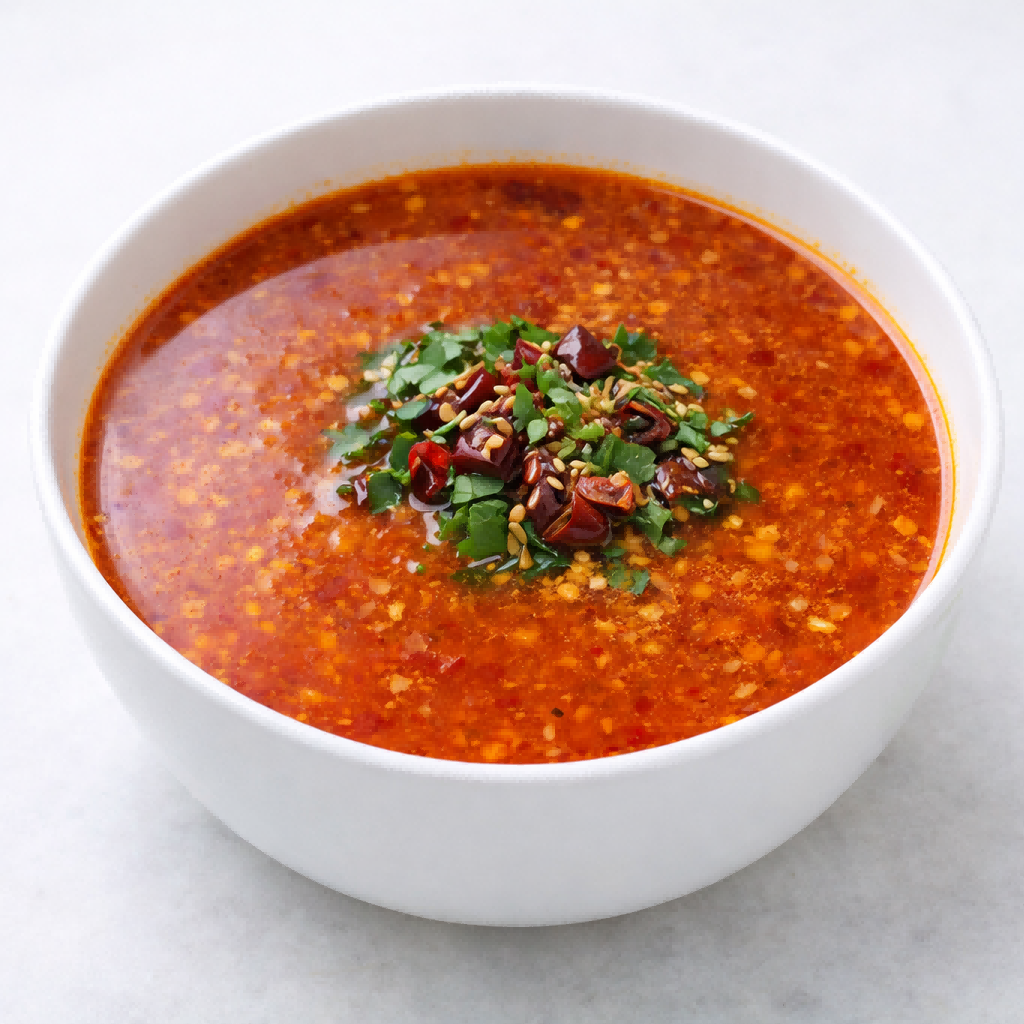
In Guizhou and other regions of Southwest China, sour soup (酸汤) traditionally refers to a lactic-fermented broth based on
tomatoes, rice soup, chilies or mixed vegetables. In the industrial food system, this traditional fermented liquid has evolved into:
- Ready-to-use sour soup bases for hotpot, fish dishes and regional specialties.
- Concentrated pastes or sauces for B2B seasoning and compound condiment manufacturers.
- Retorted pouches used by central kitchens and restaurant chains.
- Frozen or chilled sour soup blocks for foodservice distribution.
To manage sour soup food safety at scale, it is useful to treat sour soup as part of the broader family of
acidified and naturally fermented foods. That means:
- The product relies heavily on organic acids (mainly lactic acid) for preservation.
- pH and total acidity are central safety parameters, not just taste parameters.
- Lactic acid bacteria (LAB) should dominate the microflora in a well-managed process.
- Thermal processing (pasteurization, hot filling, retorting) and packaging design define shelf-life and distribution options.
2. Sour Soup Food Safety Risk Profile
From a food safety standpoint, sour soup combines strong inherent advantages with non-trivial risks. Sour soup food safety is about
leveraging those advantages while systematically reducing the risks.
2.1 Inherent Safety Advantages
- Low pH inhibits many pathogenic bacteria compared with neutral foods.
- Lactic fermentation naturally produces organic acids and sometimes bacteriocins that suppress competitors.
- High-acid matrix can be compatible with milder heat treatments compared to low-acid canned foods.
2.2 Key Risk Areas
- Non-uniform fermentation: localized areas of higher pH or incomplete acidification.
- Inadequate hygiene: contamination with spoilage yeasts, molds or pathogens during or after fermentation.
- Process variation: inconsistent temperature, time or inoculation leading to unstable microflora.
- Re-contamination: poor filling, cooling or packaging hygiene after fermentation or heat processing.
Sour soup food safety depends on turning a “naturally safe” concept into a controlled, documented and repeatable system,
aligned with internationally recognized hygienic and HACCP principles.
3. Microbiological Standards & Criteria
There is no single global microbiological standard only for “Guizhou sour soup,” so factories and buyers typically combine:
- National food safety regulations (sauces, fermented foods, ready-to-eat products, etc.).
- Customer specifications and brand requirements.
- International principles on microbiological criteria developed by Codex and national regulators.
Codex Alimentarius principles for establishing microbiological criteria provide a widely used framework for defining which microorganisms
must be controlled, at what levels, and at which point in the food chain criteria should apply.
For further background, see the Codex guidance on microbiological criteria for foods:
Principles for the Establishment and Application of Microbiological Criteria for Foods
.
3.1 Typical Microbiological Test Items for Sour Soup
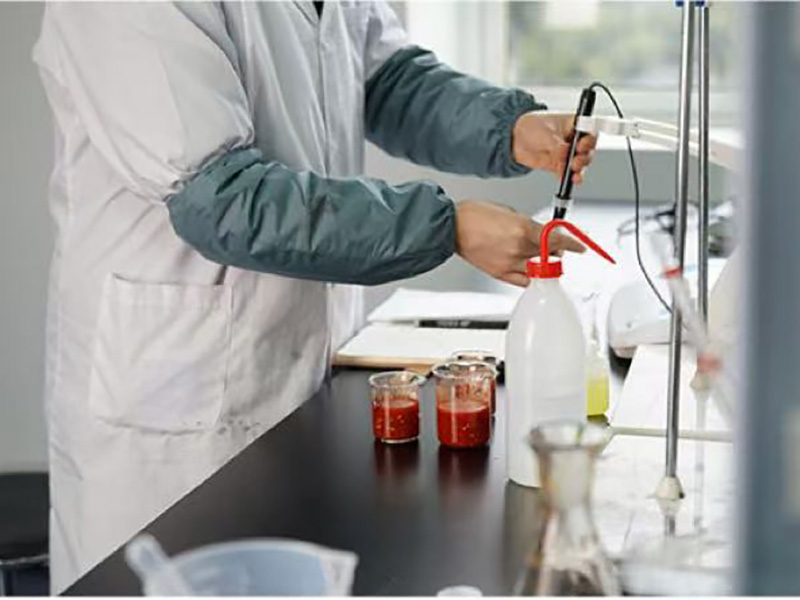
For industrial sour soup bases, a typical QC panel may include:
- Total plate count (TPC): indicator of overall microbial load and process hygiene.
- Yeasts and molds: important for shelf life, especially in chilled or mildly processed products.
- Coliforms / E. coli: hygiene indicators that point to possible fecal contamination or processing failures.
- Pathogen screening (e.g. Salmonella, Listeria monocytogenes, Staphylococcus aureus) depending on product category and market.
- Lactic acid bacteria count: often monitored as a process and quality indicator, not a hazard in itself.
3.2 Product Category & Intended Use Drive Criteria
The same sour soup formula can be used as:
- A cooking base that will be boiled for several minutes.
- A ready-to-eat dipping sauce used with minimal additional heating.
- A semi-finished ingredient blended into other industrial formulations.
These different use cases may justify different microbiological limits and sampling plans. From a sour soup food safety perspective, buyers should clarify:
- Whether the product is ready-to-eat (RTE) or must be cooked.
- Minimum final heat treatment in the consumer or downstream process.
- Applicable regulatory expectations for each target market.
The supplier’s microbiological criteria and testing plan should then be aligned with this risk assessment and clearly described in the specification sheet.
4. Acidity & pH: The Backbone of Sour Soup Food Safety
In fermented sour soup, acidity is both a quality driver and a safety barrier. For B2B buyers, understanding how pH and total acidity are
defined, measured and controlled is central to sour soup food safety.
4.1 pH vs Total Titratable Acidity (TA)
- pH reflects active acidity and is a primary safety parameter for high-acid foods.
- Total titratable acidity (TA) measures the total acid content (often expressed as lactic acid), influencing sour taste and buffering capacity.
Many sour soup formulations target pH values well below the typical high-acid threshold to add an extra safety margin and to support a clean, fresh sour profile.
Exact target ranges should be defined by each factory based on regulation, process validation and sensory positioning.
4.2 How Acidity Is Controlled in Production
In practice, acidity results from the interaction of:
- Natural lactic acid fermentation converting sugars into lactic acid.
- Optional added food-grade acids (e.g., lactic acid) to standardize pH and taste or reinforce safety margins.
- Raw material selection such as tomatoes and rice soup, which influence starting pH and fermentable sugar levels.
A factory with strong sour soup food safety control will:
- Monitor pH over time during fermentation (fermentation curves).
- Define a target pH range before moving to heat treatment or packaging.
- Record corrective actions if pH does not fall as expected within a defined time window.
4.3 Specification Alignment for Buyers
For buyers, pH and TA should appear explicitly in the product specification. This supports:
- Correct classification of the product in your own HACCP and shelf-life design.
- Consistent flavor intensity and sourness across different lots.
- Comparability between different suppliers and origins.
5. Lactic Acid Bacteria: Core to Safety & Flavor
Lactic acid bacteria (LAB) are central players in sour soup food safety and quality. Across many fermented foods, LAB:
- Produce lactic acid, lowering pH and creating an environment unfavorable to many unwanted microbes.
- Can produce bacteriocins and other antimicrobial metabolites that further suppress spoilage and some pathogens.
- Shape the flavor, aroma and texture of fermented products.
Public health guidance on fermented foods emphasizes that understanding and controlling LAB activity is key to safe fermentation,
especially when moving from spontaneous household practices to commercial production. For an example of this type of guidance aimed at
food professionals, see the fermented foods safety resources from the
BC Centre for Disease Control
.
5.1 Spontaneous vs Controlled Fermentation
Traditional sour soup sometimes relies on spontaneous fermentation using indigenous microflora. While this can work in small household settings,
it is generally too variable for industrial sour soup food safety requirements.
Controlled fermentations in factories may use:
- Back-slopping with a portion of a previous successful batch, under strict hygiene and monitoring.
- Defined starter cultures of selected LAB strains, giving more predictable acidification and flavor development.
Using defined cultures and documented fermentation parameters helps factories deliver consistent LAB dominance, pH drop and sensory profile, which
directly supports sour soup food safety and shelf-life performance.
5.2 LAB as Process Indicators
For buyers, evidence that a supplier measures LAB counts and tracks fermentation performance can be a strong indicator that:
- Fermentation is treated as a controlled step, not a “black box.”
- Abnormal fermentations (e.g., slow acidification, off-odors) will be detected and managed.
- Sour soup food safety is being managed through both process control and end-product testing.
6. Shelf Life, Stability & Validation
Shelf life is the result of product formulation, processing, packaging and distribution—not just a date printed on a label. For sour soup food safety,
shelf-life design must integrate microbiology, acidity, packaging and realistic distribution conditions.
6.1 Different Commercial Formats
Sour soup may be supplied as:
- Chilled, unsterilized fermentation broth intended to remain in the cold chain.
- Pasteurized or retorted ambient-stable pouches / jars, ready for distribution without refrigeration.
- Frozen concentrates or blocks for central kitchens and meal manufacturers.
Each format has different sour soup food safety considerations and different critical parameters (e.g., storage temperature, seal integrity, residual oxygen).
6.2 Key Factors Influencing Shelf Life
- pH and TA: lower pH generally enhances microbiological stability.
- Heat treatment: pasteurization vs retorting vs no-heat, with specific time–temperature combinations.
- Packaging: oxygen and light barrier, seal strength, compatibility with the product’s acidity.
- Cold chain compliance: for chilled products, actual storage and transport temperature profiles.
- Initial microbial load: driven by raw materials, fermentation control and hygienic design of equipment.
6.3 Shelf-Life Validation
A professional sour soup manufacturer should support their declared shelf life with data, such as:
- Real-time and/or accelerated storage studies tracking micro counts, pH, sensory quality and packaging integrity.
- Challenge tests (where warranted) to see how the product behaves when inoculated with specific organisms under controlled conditions.
- Defined decision rules for what happens when storage conditions deviate from the recommended range.
For buyers, requesting a summary of shelf-life validation—not only the number of months—provides insight into how robust the sour soup food safety
and quality system actually is.
7. Building a HACCP System for Sour Soup
HACCP (Hazard Analysis and Critical Control Point) is the global language of preventive food safety management. For sour soup factories, a HACCP plan
translates traditional know-how into a documented, auditable system that supports sour soup food safety at industrial scale.
7.1 Hazard Analysis for Sour Soup
Typical hazards to consider include:
- Biological: pathogenic bacteria (e.g., Salmonella, Listeria), spoilage microbes, toxin-producing molds via raw materials.
- Chemical: cleaning agent residues, packaging migration, agricultural residues in vegetables or spices.
- Physical: foreign bodies such as glass, metal, stones or plastic fragments.
The hazard analysis then maps where hazards can be introduced, survive or multiply along the process steps: washing, cutting, blending,
fermentation, cooling, filling, heat processing and storage.
7.2 Common CCPs in Sour Soup Production
Each plant’s flow chart is unique, but typical critical control points for sour soup food safety may include:
- Fermentation end-point: achieving target pH within a defined time frame.
- Thermal treatment: pasteurization or retorting parameters for ambient-stable products.
- Filling & sealing: seal integrity, vacuum or headspace checks where applicable.
- Chilled storage: maximum storage temperature for non-sterilized products.
For each CCP, the HACCP plan must define:
- Critical limits (e.g., pH ≤ X, minimum core temperature, maximum storage temperature).
- Monitoring methods, instruments and frequency.
- Corrective actions when limits are not met.
- Verification activities and record-keeping.
7.3 Integration with Buyer’s Own HACCP
When sour soup is used as an ingredient by another manufacturer or central kitchen, it becomes part of their downstream HACCP plan.
Using suppliers that can share HACCP information and critical limits makes it far easier to integrate sour soup food safety into your own system.
In supplier audits or technical meetings, request:
- An overview of the sour soup process flow with CCPs highlighted.
- Critical limits and rationales for each CCP.
- Evidence of periodic internal audits and HACCP verification.
8. Buyer & Procurement Checklist
Procurement teams need to turn technical discussion into concrete questions and decision criteria. The following sour soup food safety checklist
can be used when assessing suppliers.
8.1 Product Definition & Specifications
- What is the declared product category (fermented sauce, soup base, RTE dip, etc.)?
- What are the target pH and total acidity ranges?
- Is the product chilled, frozen or ambient-stable?
- What is the declared shelf life and recommended storage condition?
8.2 Microbiology & Food Safety
- Which microbiological tests are done per batch or per lot?
- What are the microbiological criteria (limits) for each parameter?
- Is there pathogen testing relevant to your product type and markets?
- Can the supplier provide Certificates of Analysis (COAs) for typical lots?
8.3 Process Control & HACCP
- Does the supplier operate a documented HACCP system and broader food safety management system?
- What are the main CCPs in their sour soup line, and what are their critical limits?
- Is fermentation managed using defined starter cultures or controlled back-slopping, and how is this documented?
8.4 Shelf-Life Validation & Complaints Handling
- Has shelf life been validated via storage studies and/or challenge tests?
- How are market complaints (e.g., bulging packs, off-odors) handled and investigated?
- Are there clear traceability and recall procedures in place?
8.5 Fit-for-Use in Your Applications
- Does the sour soup base perform consistently in your recipes under real processing conditions?
- Can salt, acidity or viscosity be customized to fit your brand positioning?
- Is the supplier willing to develop tailored SKUs if volume justifies it?
Using this checklist helps move discussions beyond price lists to a strategic view of sour soup food safety as part of your brand’s risk management
and product value proposition.
9. How Lvyin Food Manages Sour Soup Food Safety
As demand for Guizhou-style sour soup grows in domestic and export markets, the gap between traditional artisanal production and modern industrial
requirements has widened. Lvyin Food positions itself at this intersection by combining:
- Deep understanding of regional sour soup styles, ingredients and flavor expectations.
- Industrial-scale fermentation, thermal processing and packaging capabilities.
- A structured approach to microbiological control, acidity management and HACCP.
Buyers and product developers can explore the
Guizhou Sour Soup Industry Guide
to understand origin, styles and market trends, and then translate that insight into commercial products via the
Sour Soup Series
, which is designed for:
- Hotpot and fish chains seeking standardized flavor and safety.
- Industrial seasoning manufacturers needing stable sour soup concentrates.
- Central kitchens & meal solution brands requiring consistent, long-shelf-life bases.
Each product is backed by technical documentation and can be integrated into customer-specific HACCP and quality systems, turning sour soup from
a “risky traditional element” into a controlled, auditable ingredient in a modern supply chain.
10. Conclusion: From “Tasty” to “Safe, Stable, Scalable”
Sour soup’s journey from regional household condiment to industrial flavor platform reflects a broader movement: traditional fermented foods
are entering global, branded and heavily regulated markets. For B2B buyers, this shift means sour soup food safety can no longer be assumed;
it must be designed, measured and documented.
By framing sour soup food safety in terms of:
- Clear microbiological criteria and testing plans.
- pH and acidity targets that are monitored and controlled.
- Lactic acid bacteria behavior as both a preservation mechanism and flavor driver.
- Shelf-life validation based on real data, not only tradition.
- HACCP-based process control integrated with buyer requirements.
procurement and R&D teams can transform sour soup from a potential risk into a strategic, value-adding ingredient that supports brand growth,
menu innovation and cross-regional expansion.
When you choose partners who can speak this language and back it up with consistent product and documentation, sour soup becomes more than just
a “regional taste” – it becomes a reliable, scalable platform in your portfolio of sauces, bases and fermented seasonings.