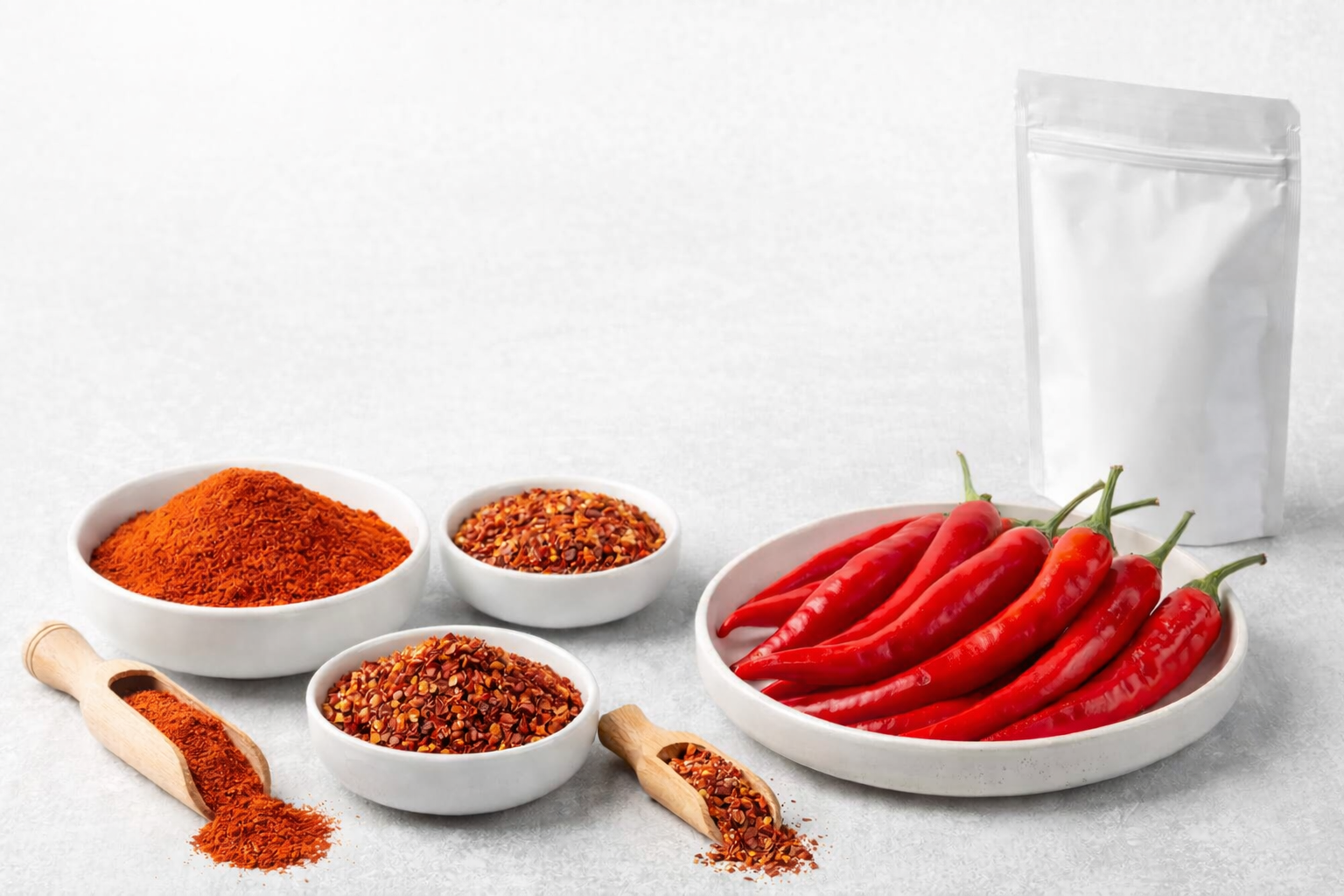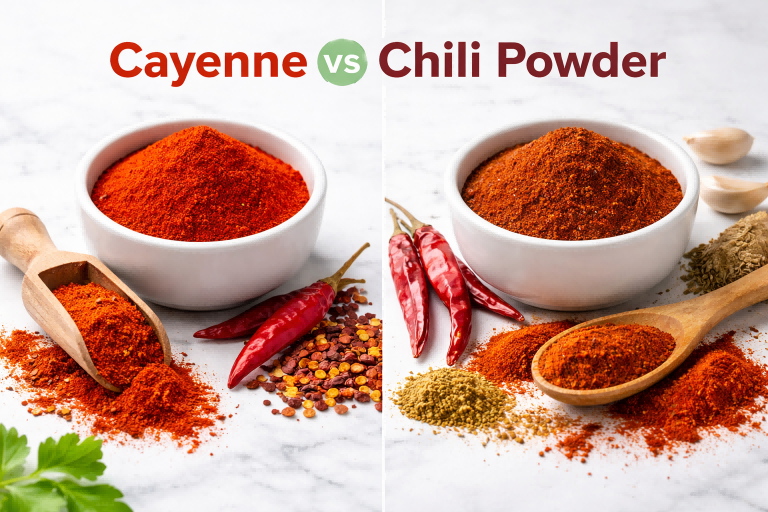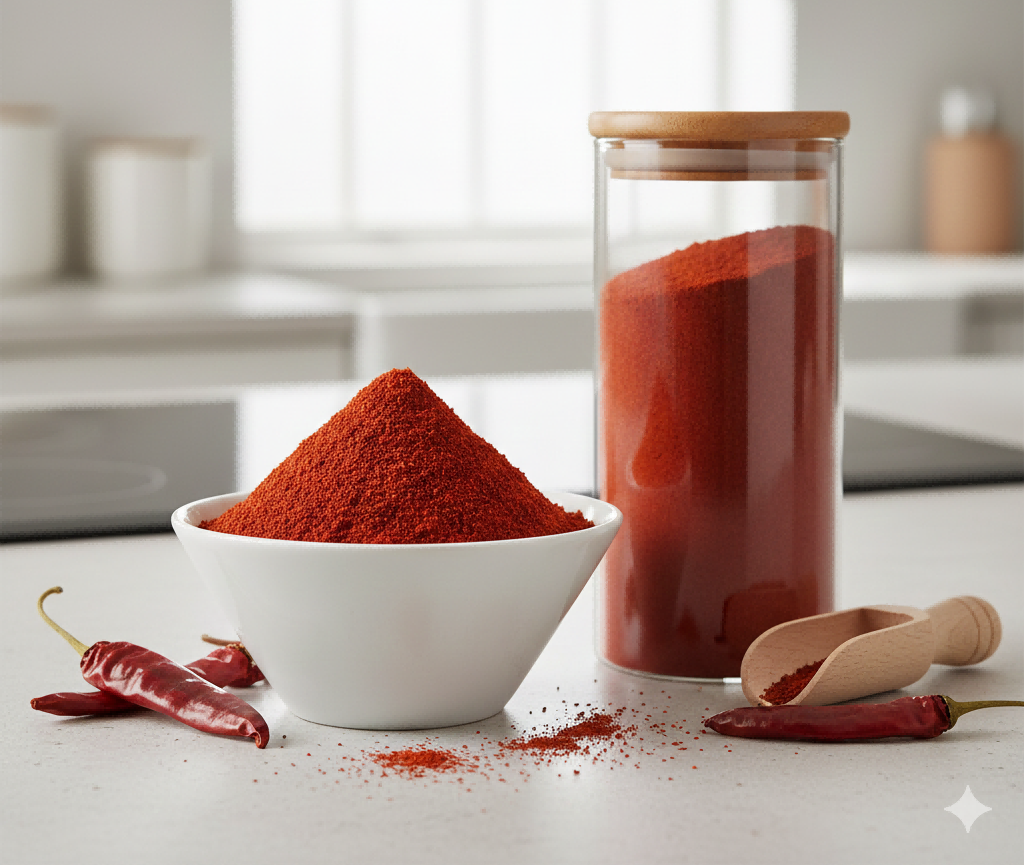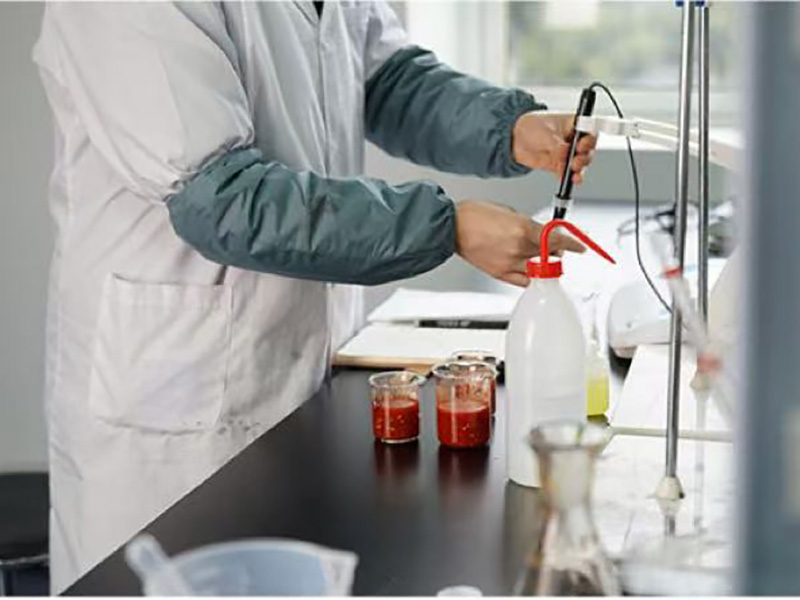
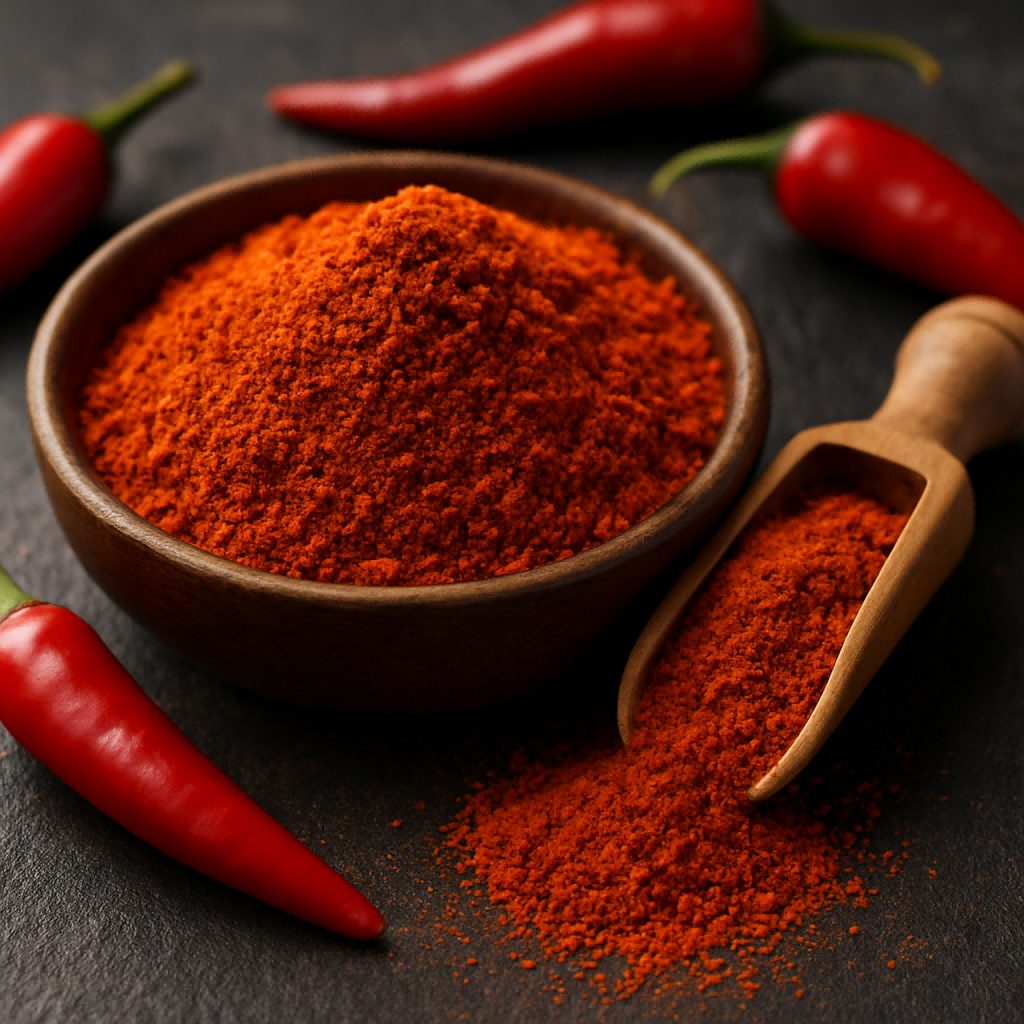
Chili powder may look like a simple red ingredient, but for industrial users, it is a performance-critical raw material. Its quality determines everything from ASTA color value and SHU heat level to aroma release, shelf life, and batch-to-batch consistency in sauces, hotpot bases, snack seasonings, instant meals, and ready-to-eat dishes.
This article breaks down the main chili powder quality factors from a B2B perspective: raw material, origin and climate, variety, processing, chemical indicators, storage, and supplier capability. It also connects chili powder quality to sourcing strategy and origin advantages via:
1. Why Chili Powder Quality Matters in B2B
For retail consumers, chili powder is “just spice.”
For food manufacturers and restaurant groups, it is a functional ingredient that must deliver predictable performance in every batch.
Key chili powder quality factors determine:
- ASTA color value – how bright and stable the red color is in oil and water phases.
- SHU heat level – how spicy the product is and whether the heat curve is clean or harsh.
- Aroma release – especially when chili powder is fried in oil or boiled in soup bases.
- Flavor stability – whether color and aroma survive storage and cooking.
- Microbiological safety – moisture, contamination risk, and shelf-life.
When these factors are not controlled, the result is unstable product quality, formulation headaches, and higher costs. That’s why understanding what determines chili powder quality is a must for B2B buyers.
2. Raw Material Factors: What the Chili Was Before It Became Powder
Chili powder quality starts with the whole chili. Without good raw material, no amount of processing can “fix” the defects. At least 60–70% of the final quality is decided at this stage.
2.1 Maturity at Harvest
Fully ripe chilies typically offer:
- Higher carotenoid content → stronger ASTA color.
- More capsaicin → stronger and more stable SHU.
- Richer aroma compounds → better fragrance after frying or boiling.
Under-ripe or mixed-maturity chilies tend to produce dull color, grassy notes, and uneven heat.
2.2 Fruit Condition and Cleanliness
High-quality raw chili should be:
- Free from visible mold or rot.
- Low in insect damage.
- Uniform in size and color (fewer rejects during sorting).
- Low in foreign matter (stones, soil, stalks).
Defects at the fruit stage show up later as off-notes, visual defects, or contamination in chili powder.
2.3 Seed-to-Skin Ratio
Seeds contribute fiber and some heat, but most color and key volatile aroma compounds come from the skin and flesh. A good raw material profile often means:
- Thick flesh with strong pigments.
- Moderate seeds, to avoid bitterness and excessive fiber.
3. Origin and Climate: How Geography Shapes Chili Powder Quality
Geography is one of the most important chili powder quality factors. The same variety can perform very differently when grown in different environments.
3.1 Sunlight
Sunlight drives photosynthesis and carotenoid synthesis:
- Balanced sunlight → vivid red color and healthy plant growth.
- Too little sunlight → pale fruit, low ASTA.
- Excessive harsh sunlight → sunburn, pigment degradation, dull color.
3.2 Temperature
Chilies generally prefer 20–30°C for optimum growth. Temperature stress can cause:
- Slow or irregular fruit development.
- Changes in capsaicin formation (heat profile).
- Reduced aroma intensity.
3.3 Water Availability
Water management during growing impacts fruit structure:
- Overwatering → large but watery fruit with diluted flavor and color.
- Underwatering → small, stressed fruit, sometimes with bitterness.
3.4 Altitude and Microclimate
Mountain regions with cooler nights and moderate daytime temperatures often produce chilies with:
- Stronger, cleaner aroma.
- Balanced, non-harsh heat.
- More stable color after drying.
This is one reason certain origins are preferred for flavor-critical applications, such as hotpot bases, snack seasonings and fermented-style dishes. If you want a deeper view of how origin conditions shape chili characteristics, you can refer to the Guizhou Chili Origin Guide, which explains why specific regions in Guizhou produce particularly aromatic and color-stable chilies.
4. Variety and Botanical Characteristics
Different chili varieties bring different strengths to chili powder.
4.1 Capsaicin Content and Heat Profile
- Some varieties are naturally mild; others are very hot.
- Heat curve (fast, sharp, lingering, smooth) depends on capsaicinoid composition.
For B2B buyers, what matters is not just “hot vs mild,” but consistency of SHU and heat curve in their target application.
4.2 Pigment Composition (Color)
Varieties rich in capsanthin and other carotenoids deliver higher ASTA color. They are ideal for:
- Chili oil and hotpot base.
- Bright red sauces.
- Snack seasonings with strong visual impact.
4.3 Aroma Profile
Varieties differ in volatile aroma compounds, producing notes that can be:
- Fruity
- Smoky
- Floral
- Green/herbal
Blending varieties is a common technique to balance heat, color, and aroma performance in chili powder.
5. Processing Factors: From Whole Chili to Powder
Once chilies are harvested, the way they are processed is a decisive chili powder quality factor. Even excellent raw material can be ruined by poor processing.
5.1 Cleaning and Sorting
Key steps:
- Removing stalks, leaves, and foreign matter.
- Eliminating obviously moldy or damaged pods.
- Ensuring uniformity for downstream grinding.
Poor cleaning leads to contamination, off-flavors, and increased risk of physical hazards.
5.2 Drying Method and Conditions
Drying is crucial for preserving color, aroma, and safety:
- Sun-drying (gentle, slow): often best for aroma, but weather-dependent.
- Low-temperature mechanical drying: good balance of control and quality.
- High-temperature drying: fast, but can cause pigment breakdown and “cooked” or burnt notes.
Well-dried chili should have:
- Target moisture (commonly 8–12%).
- No visible mold growth.
- Retained bright color and strong aroma.
5.3 Hygiene and Microbiological Control
Key points:
- Drying and grinding areas should be controlled for dust and cross-contamination.
- Finished chili powder should be tested for microbes and aflatoxins as needed.
- Some factories use steam treatment or other validated kill steps.
6. Chemical & Sensory Indicators of Chili Powder Quality
Professional evaluation of chili powder usually covers both analytical and sensory parameters.
6.1 ASTA Color Value
ASTA color measures pigment concentration. Higher ASTA generally means:
- Richer color in finished products.
- Better perceived quality by consumers.
6.2 SHU (Scoville Heat Units)
SHU is used to quantify the heat level. Buyers care about:
- Target SHU range for each application.
- Consistency between batches.
6.3 Volatile Aroma
Aroma is best evaluated by frying a sample in oil or blooming it in hot soup. High-quality chili powder should:
- Release a strong, clean chili fragrance.
- Show no musty, burnt, or chemical off-notes.
6.4 Moisture and Water Activity
Moisture content influences:
- Microbial stability.
- Caking and flowability.
- Shelf-life.
Moisture that is too high increases the risk of mold; too low can make powder fragile and dusty.
6.5 Extraneous Matter
Premium chili powder has:
- Low levels of seeds and stem fragments.
- Minimal foreign particles.
7. Storage, Packaging, and Shelf-Life Factors
Even the best chili powder will degrade if not stored correctly.
7.1 Packaging
Industrial chili powder is often packed in:
- Multi-layer bags with inner liners.
- Moisture- and oxygen-barrier materials.
- Sometimes, nitrogen-flushed bags are used for sensitive products.
7.2 Storage Conditions
Best practice is to store chili powder:
- In a cool, dry, dark place.
- On pallets, not directly on floors.
- Away from materials with strong odors.
Heat, humidity, and light accelerate loss of color and aroma, and increase oxidation risk.
8. Common Quality Risks and What Buyers Should Watch
Typical risk areas include:
- Inconsistent color: due to mixed raw materials, poor drying, or oxidation.
- Unstable SHU: caused by a variety of origin changes without communication.
- Off-odors: from old stock, poor storage, or contamination.
- Microbiological issues: from high moisture, dirty equipment, or improper handling.
- Foreign matter: from insufficient cleaning and sorting.
A robust supplier will have controls and documentation to manage these risks.
9. How Chili Powder Quality Influences Applications
Different end uses place different demands on chili powder.
9.1 Hotpot and Spicy Soup Bases
For hotpot and similar products, chili powder must deliver:
- Strong color in oil.
- Reliable heat performance.
- Intense aroma when fried.
When chili powder is used in complex bases—such as mala hotpot, regional broths, or tomato-based soups—its color stability, aroma and SHU consistency directly affect whether the base tastes the same across stores and batches. High-volume chains therefore rely on suppliers who understand both quality factors and supply-chain constraints. For a broader sourcing and supplier perspective, you can refer to the Chili Powder Supplier Industry Guide.
9.2 Snack Seasonings
Snack applications (chips, nuts, extruded snacks) require:
- Uniform particle size for consistent coating.
- Color that remains stable through processing and storage.
- Heat that doesn’t overpower or fade too quickly.
9.3 Sauces, Pastes and Ready Meals
In sauces and ready meals, chili powder is often cooked for long periods. It must:
- Maintain color after heating and retorting.
- Retain enough aroma even after long cooking.
- Provide a smooth, non-harsh heat curve.
10. How to Choose the Right Chili Powder Supplier
For B2B buyers, selecting the right supplier is as important as choosing the right origin or variety.
10.1 Key Evaluation Points
- Origin transparency: Can the supplier clearly state where their chilies come from, and how origin affects quality?
- Processing capabilities: Cleaning, drying, grinding, blending, metal detection, etc.
- Quality control system: COAs, micro testing, and aflatoxin checks where relevant.
- Customization ability: Custom ASTA, SHU, mesh size, and blends.
- Packaging solutions: Appropriate for your logistics and shelf-life requirements.
10.2 Communication and Specification Alignment
A strong supplier will work with you to define:
- Target ASTA and SHU ranges.
- Preferred origins and varieties (for example, using high-aroma origins such as Guizhou, where appropriate, as discussed in the Guizhou Chili Origin Guide).
- Mesh size suitable for your applications.
- Testing frequency and documentation expectations.
11. Internal Links: From Quality Factors to Supply Chain Strategy
Chili powder is not only an isolated ingredient; it is part of a complete sourcing and product-development strategy. To move from understanding chili powder quality factors to building a robust supply chain, two resources are especially useful:
- Chili Powder Supplier Industry Guide – an industry-level view on how to evaluate suppliers, manage specifications and design long-term chili powder sourcing for B2B.
- Guizhou Chili Origin Guide – an in-depth look at why specific origins (such as Guizhou) produce more aromatic, color-stable chilies, and how this supports high-end applications.
12. Conclusion: The Logic Behind High-Quality Chili Powder
High-quality chili powder is not defined only by “red” and “spicy.” It is the outcome of a chain of chili powder quality factors working together:
- Raw material maturity and condition.
- Origin, climate, and microclimate.
- Variety characteristics and blending strategies.
- Drying, grinding, and hygiene practices.
- ASTA, SHU, aroma, moisture, and foreign matter control.
- Packaging, storage, and supplier capabilities.
For food manufacturers, seasoning brands, and restaurant groups, understanding these factors helps you:
- Write better specifications.
- Select more reliable suppliers.
- Design more resilient sourcing strategies.
- Deliver more consistent products to your customers.
In a world where consumers expect both strong flavor and high safety standards, chili powder quality is no longer a background detail—it is a strategic variable in your product and brand success.